Advertisement






What really powers the cloud? Behind every Google search, A...
A lot of what defines a home isn’t visible at handover. I...
Private equity has played a significant role in shaping Indi...
Luxury real estate is one of the most talked-about segments ...
Airports play a much bigger role than just enabling travel -...
The Vatican's financial position strengthened in 2025 as gains from gold, real estate and investment valuations lifted its net assets, despite a sharp decline in its operating surplus. According to the Administration of the Patrimony of the Holy See (APSA), the Vatican's net assets increased by EUR 89 million to EUR 2.686 billion during the year. Higher rental income, better property management and lower maintenance costs supported real estate earnings, while a revaluation of gold holdings contributed the largest increase in overall wealth. The figures come as Pope Leo oversees efforts to address the Vatican's long-standing budget pressures.
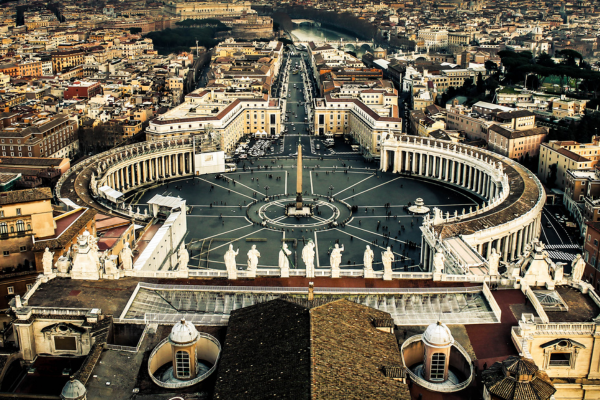
The Vatican's overall wealth increased in 2025, supported by higher valuations of its gold reserves, real estate assets and investment portfolio, even as its operating surplus declined significantly from the previous year.
According to the Administration of the Patrimony of the Holy See (APSA), which manages the Vatican's financial investments and real estate portfolio, the operating result stood at EUR 22.8 million in 2025, compared to EUR 62.2 million recorded a year earlier. Despite the lower operating surplus, the Vatican's net assets rose by EUR 89 million to EUR 2.686 billion.
APSA transferred EUR 22.7 million to support the Holy See's operations, continuing its role in financing the Vatican's administrative and religious activities.
The latest financial results come during the Vatican's leadership transition following the death of Pope Francis and the election of Pope Leo earlier this year. The figures also provide an indication of the financial challenges facing the new pontiff, as the Vatican continues to deal with budget deficits that have persisted over recent years.
The Vatican had reported a strong increase in profits in 2024, largely due to a one-time restructuring of its investment portfolio. APSA President Archbishop Giordano Piccinotti said that 2025 reflected a return to normal operating conditions, adding that the institution's focus remained on preserving and strengthening the Church's patrimony rather than maximising profits.
The Vatican maintained a conservative investment strategy during the year. Around 17% of its investments were allocated to equity markets, 32% to bonds and 29% to physical gold. APSA also manages nearly 5,500 properties across different countries, making real estate one of the Vatican's largest asset classes.
Although the investment portfolio recorded an accounting loss of EUR 3.7 million under the Vatican's revised accounting rules, stronger earnings from real estate helped the institution maintain a positive operating result.
The biggest increase in the Vatican's overall wealth came from the revaluation of its gold holdings, which added EUR 40.8 million to net assets. Higher real estate valuations contributed another EUR 39.2 million, while securities valuations added EUR 16.3 million.
Real estate continued to be APSA's largest source of regular income during 2025. The portfolio generated EUR 44.5 million in income, an increase of EUR 9.4 million compared to the previous year. APSA attributed the improvement to more efficient property management, higher rental income and lower maintenance expenses.
As part of its ongoing asset management strategy, APSA has also launched a three-year programme running from 2025 to 2027 to sell non-strategic properties. The initiative is expected to optimise the Vatican's property portfolio while focusing resources on assets considered more important to its long-term financial objectives.
The Vatican has been strengthening oversight of its real estate investments in recent years following several financial controversies, including the failed London property investment that resulted in a high-profile fraud trial. Since then, the Holy See has introduced stricter financial governance measures, improved investment oversight and adopted a more disciplined approach to managing its assets.
Source Reuters
Advertisement













 Facebook
 Whatsapp
