Advertisement






The Gulf conflict has disrupted global supply chains, pushed...
REITs have changed the way commercial real estate is owned a...

What does it take to preserve a real estate legacy while bui...
What really powers the cloud? Behind every Google search, A...
A lot of what defines a home isn’t visible at handover. I...
The Union government is considering allowing newly completed highway stretches to carry normal traffic for two to three months before their formal inauguration, following instances of cracks, potholes, rutting, drainage problems and other premature defects appearing soon after opening. The proposal was discussed during a review of the Delhi-Mumbai Expressway last week, chaired by Union Road Transport and Highways Minister Nitin Gadkari. Officials said extended trials could help identify deficiencies under actual traffic and weather conditions, particularly during the monsoon, allowing contractors to rectify problems before a formal launch and the commencement of toll collection.
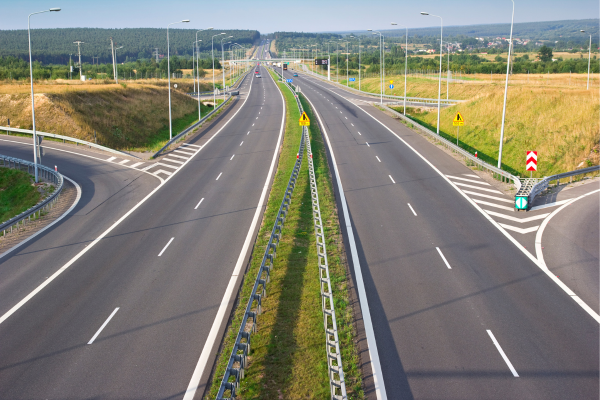
The Union government is considering a longer traffic-testing period for newly completed highway stretches, under which normal vehicles could be allowed to use a road for two to three months before its formal inauguration, following concerns over construction defects emerging soon after highways are opened to the public. The proposal was discussed during a review of the Delhi-Mumbai Expressway last week chaired by Union Road Transport and Highways Minister Nitin Gadkari.
Under the proposed approach, a completed highway would undergo an extended period of actual traffic operation after construction and mandatory safety audits had been completed. The additional period would allow authorities, contractors and consultants to observe how the road performs under regular vehicle loads and changing weather conditions before it is formally inaugurated.
Officials said such a trial could help identify issues including pavement settlement, rutting, drainage deficiencies and other construction-related problems that may not become apparent during conventional inspections. Testing during the monsoon could be particularly useful for identifying water-related weaknesses and other defects associated with heavy rainfall.
Extended traffic trials are not entirely new to highway projects in India. Officials cited previous instances involving sections of the Delhi-Amritsar-Katra Expressway and the tunnel on the Dwarka Expressway, where stretches were subjected to longer trial periods before being formally inaugurated. The proposed approach would seek to make such testing a more systematic part of the process for new highway infrastructure.
The consideration comes against the backdrop of several recently opened highway stretches developing deficiencies within a relatively short period of their inauguration. Cracks, potholes, premature pavement failures and rutting have been reported on some projects, raising concerns about construction quality and the durability of newly delivered infrastructure. The Lucknow-Kanpur and Dehradun expressways are among the recent examples cited in this context.
In some cases, authorities have responded to road defects by reducing or suspending toll collection. On affected stretches, the National Highways Authority of India has calculated the toll as zero in certain instances, while toll collection on the Lucknow-Kanpur Expressway has been suspended across the corridor following reported deficiencies.
The proposed testing period would operate alongside existing contractual provisions governing construction quality. Under highway contracts, contractors remain responsible for rectifying deficiencies identified during the applicable defect liability period. An extended trial would provide an additional opportunity to identify such problems earlier, potentially allowing corrective work to be completed before a project receives its formal inauguration.
The government has also been emphasising greater accountability among agencies involved in highway construction. Gadkari has directed officials from the National Highways Authority of India, contractors and project consultants to improve construction quality, with deficiencies affecting the delivery of infrastructure intended for public use.
A two- to three-month traffic trial would therefore introduce an additional stage between completion and formal inauguration for selected highway projects. The proposal remains under consideration, rather than being an established requirement across all new highways. If adopted, the approach would place greater emphasis on observing road performance under actual operating conditions before a formal launch and the subsequent commencement of regular toll collection.
Advertisement













 Facebook
 Whatsapp
