Advertisement






What really powers the cloud? Behind every Google search, A...
A lot of what defines a home isn’t visible at handover. I...
Private equity has played a significant role in shaping Indi...
Luxury real estate is one of the most talked-about segments ...
Airports play a much bigger role than just enabling travel -...
MahaRERA has deregistered seven real estate projects in Maharashtra, including three in Mumbai and one in Pune. Developers cited reasons such as lack of buyers, registration anomalies, and the need for fresh approvals. MahaRERA initiated the move in February 2023 to enable the deregistration of financially troubled and unviable projects. A total of 170 projects, including 63 from Pune, applied for deregistration. The decision restricts developers from advertising, selling, or inviting buyers for the affected projects. Real estate industry experts have welcomed the option, provided claims are settled transparently. This initiative demonstrates MahaRERA's adaptability and sets a precedent for dynamic real estate regulation.


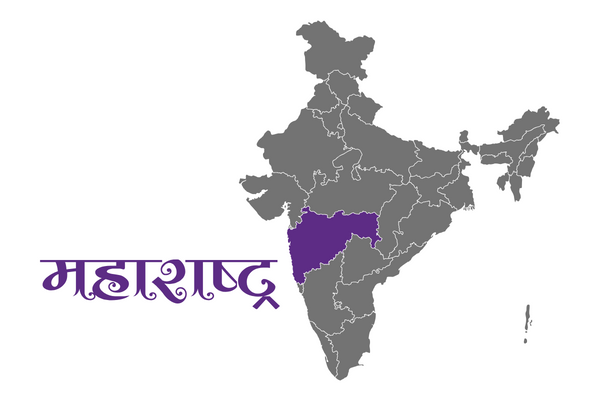
In a ground breaking development, the MahaRERA has made the unprecedented decision to deregister seven real estate projects, encompassing both Pune and Mumbai. These de-registrations come in response to the challenges reported by the respective developers, which have included financial difficulties and disappointing responses from the market. Notably, two of the projects that have been deregistered belong to Macrotech Developers, a company that operates under the Lodha brand and is based in Mumbai. The company cited the lack of buyers for one project, while the other encountered complications due to having multiple registration numbers. Advertisement






AYG Realty developed one of the projects facing deregistration in Pune's Karvenagar area. This developer sought to change the project's end-use and requested fresh approvals, leading to the deregistration. Additionally, the decision impacted two more projects: Coral in the Mira Road area of Thane, near Mumbai, and a project in Sindhudurg. The decision to deregister a project can result from various challenges that developers face, including financial constraints, economic infeasibility, legal disputes (including family conflicts), changes in government notifications or planning regulations, and overall financial non-viability.
In certain cases, developers encounter insurmountable obstacles that prevent them from proceeding with their projects after registration, necessitating the intervention of the regulatory authority to initiate the deregistration process. During the month of August, MahaRERA received a total of 170 applications for the deregistration of projects from various parts of the state, with Pune accounting for 63 of those applications. The regulatory authority has been meticulously reviewing these projects, and the hearing process is still ongoing. Transparency remains a focal point for MahaRERA. The authority has publicly disclosed all seven deregistration orders on its website.
According to Section 34 of the Real Estate (Regulation and Development) Act, the regulatory authority has also prohibited developers from advertising, marketing, booking, selling, or offering apartments in any of the seven projects. MahaRERA introduced this innovative approach, allowing project deregistration, in February 2023. It provides a valuable solution for projects that are grappling with financial turmoil, economic infeasibility, or a tepid market response.
The deregistration of projects by MahaRERA is a significant step that demonstrates the authority's commitment to addressing the challenges faced by both developers and homebuyers in the real estate sector. It underscores the need for flexibility and adaptability in the industry to ensure that projects can progress effectively and that homebuyers' interests are safeguarded. This initiative not only offers a lifeline to projects in distress but also sets a precedent for a more dynamic and responsive regulatory framework in the real estate domain.
This story was earlier published by Moneycontrol
Advertisement













 Facebook
 Whatsapp
