Advertisement






The Gulf conflict has disrupted global supply chains, pushed...
REITs have changed the way commercial real estate is owned a...
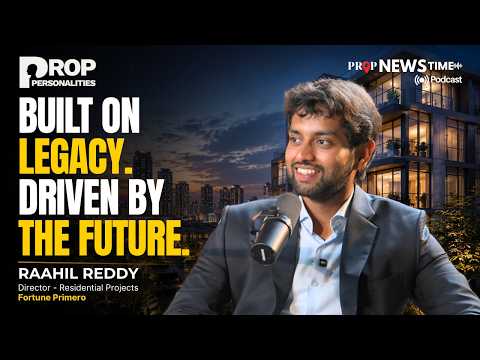
What does it take to preserve a real estate legacy while bui...
What really powers the cloud? Behind every Google search, A...
A lot of what defines a home isn’t visible at handover. I...
India’s residential real estate market is seeing a shift in homebuyer preferences, with demand increasingly extending beyond a property’s location, size and specifications to include convenience, connectivity, sustainability and quality of life. Gurugram provides a visible example of this transition as development expands beyond its established commercial districts towards New Gurugram, Dwarka Expressway and Southern Peripheral Road. Master-planned communities are gaining relevance by combining housing with retail, social infrastructure, landscaped areas, mobility networks and community facilities. The approach reflects a broader change from standalone residential projects towards integrated neighbourhoods designed around everyday needs. For developers, however, creating such communities involves long-term planning, coordinated infrastructure delivery and operational consistency. Sustainability and climate resilience are also becoming increasingly important as urban expansion places greater pressure on resources and infrastructure.
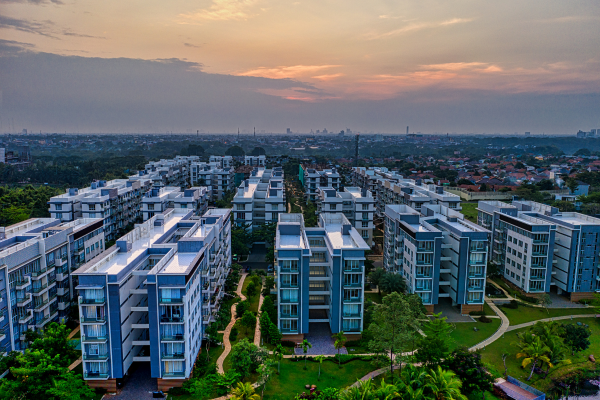
India’s residential real estate sector is witnessing a shift in homebuyer preferences as purchasers increasingly assess homes through the wider environment in which they are located, rather than considering only factors such as size, specifications and location. Convenience, connectivity, sustainability and quality of life are becoming important considerations, supporting the growing relevance of integrated, master-planned communities across urban markets. Gurugram is among the cities where this change is particularly evident as development expands into emerging growth corridors.
Gurugram’s transformation from a corporate centre into a major business and residential market has been supported by its proximity to Delhi, employment opportunities and improving infrastructure. The rapid pace of urbanisation, however, has also exposed the limitations of fragmented development, with residential and commercial expansion increasing the need for coordinated planning.
The city’s next phase of development is increasingly linked to infrastructure-led corridors such as New Gurugram, Dwarka Expressway and Southern Peripheral Road. These locations are creating opportunities for developments that combine residential areas with commercial districts, retail, essential infrastructure and social amenities. As a result, the value of a residential development is increasingly linked to the wider ecosystem surrounding it.
This is contributing to a shift from standalone housing projects towards integrated communities. Homebuyers are considering access to schools, healthcare facilities, workplaces, recreational areas and mobility networks alongside the characteristics of individual homes. Master-planned developments seek to bring these elements together through a coordinated framework in which residential spaces, landscaped areas, retail destinations, community facilities and infrastructure are planned as interconnected components.
Such planning also changes the role of developers. Instead of concentrating solely on constructing residential buildings, developers have to consider how neighbourhoods function over time and how supporting infrastructure develops alongside housing.
Convenience is another factor influencing this transition. In rapidly expanding cities such as Gurugram, commuting has traditionally been an important consideration for residents. Developments that place essential services, recreational facilities and community spaces within closer reach can reduce the need for frequent long-distance travel. This is contributing to a broader interpretation of premium living, with convenience, efficiency and quality of life gaining importance alongside physical specifications.
Environmental considerations are also becoming part of neighbourhood-level planning. Rising temperatures, resource pressures and changing climate patterns are increasing the need for urban development to address sustainability beyond individual buildings. Integrated communities can incorporate measures such as water management systems, landscaped areas, energy-efficient design and improved resource utilisation.
However, the effectiveness of master-planned communities depends on execution over several years. Infrastructure, amenities and community spaces need to be delivered alongside residential phases rather than being treated as later additions. Consistent quality and long-term operational management are therefore important to maintaining the intended character of a development.
For Gurugram, the next stage of residential growth is likely to be shaped by developments that combine housing with infrastructure, mobility, sustainability and community facilities. The integrated-community model reflects a wider change in urban development, where residential projects are increasingly considered as part of larger neighbourhood ecosystems rather than as standalone buildings.
Disclaimer:
The views, opinions, and information expressed in this article are solely those of the author and do not necessarily reflect the views of Prop News Time. The content has not been independently verified or endorsed by Prop News Time. Readers are advised to exercise their own discretion and seek professional advice if required.
Advertisement













 Facebook
 Whatsapp
