Advertisement






The Gulf conflict has disrupted global supply chains, pushed...
REITs have changed the way commercial real estate is owned a...

What does it take to preserve a real estate legacy while bui...
What really powers the cloud? Behind every Google search, A...
A lot of what defines a home isn’t visible at handover. I...
Pune’s expanding Metro network and the proposed High Capacity Mass Transit Route (HCMTR) are being planned together at more than 20 points where the two elevated transport corridors will intersect. Under the proposed arrangement, the Metro viaduct will pass above the HCMTR road, allowing both systems to operate without requiring one corridor to be diverted. The coordination is part of efforts to integrate Pune’s major public transport and road infrastructure projects. The HCMTR, planned as an elevated six-lane corridor, is expected to improve citywide connectivity and reduce traffic congestion.
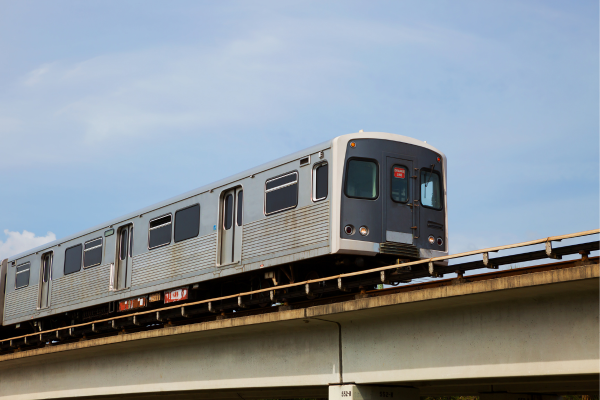
Pune’s Metro expansion is being planned in coordination with the proposed High Capacity Mass Transit Route (HCMTR), with the Metro viaduct set to pass above the HCMTR road at more than 20 locations where the two transport corridors intersect.
The arrangement is intended to allow the two major infrastructure projects to coexist without significant changes to their planned alignments. At the identified intersection points, the Metro structure will be positioned at a higher level, while the HCMTR road will run below it. The approach is aimed at making better use of limited vertical and horizontal space within Pune’s developed urban areas.
The coordination has become important as both projects are being planned as major additions to Pune’s transport network. The HCMTR is proposed as an elevated six-lane route of roughly 36 km, designed to connect different parts of the city and integrate with the Metro network. Maharashtra Chief Minister Devendra Fadnavis has set a 2028 target for completion of the HCMTR and described it as a key project for improving Pune’s transport capacity.
The HCMTR is planned to run through the central urban areas of Pune and is expected to connect with multiple Metro corridors. Its integration with the existing and proposed Metro system is intended to create a broader public transport network while providing an additional high-capacity road route for vehicles.
The need for close coordination between the projects has increased as the alignment of the HCMTR has evolved. The Pune Municipal Corporation has been working on land acquisition requirements for the revised alignment, which officials said has reduced the requirement for private land. The administration has also been instructed to expedite pending acquisition proposals to keep the project moving.
Meanwhile, Pune Metro is progressing with several Phase 2 corridors. The official Metro project information lists ongoing works and tenders for elevated sections, including the proposed Line 4 and Line 4A corridors. The Union Cabinet had earlier approved the 31.636-km Line 4 and Line 4A network, comprising 28 elevated stations and connecting areas across eastern, southern and western parts of Pune.
The planned over-under configuration at the HCMTR-Metro intersections is expected to reduce the possibility of major construction conflicts and avoid forcing either project to substantially alter its route. Such integration is particularly relevant in dense sections of the city, where acquiring additional road space or shifting established transport alignments can increase both construction complexity and costs.
The projects are also being viewed as part of a wider effort to address Pune’s growing traffic pressure. The state government has estimated that the HCMTR could reduce congestion by around 25 to 30 per cent while improving links between Metro lines and increasing overall transport capacity.
With both networks planned to operate across multiple levels, the integration of their designs at more than 20 intersections will be an important element of Pune’s future transport infrastructure. The final execution will depend on detailed engineering, coordination between agencies and timely progress on the HCMTR and Metro expansion works.
Advertisement













 Facebook
 Whatsapp
