Advertisement






The Gulf conflict has disrupted global supply chains, pushed...
REITs have changed the way commercial real estate is owned a...

What does it take to preserve a real estate legacy while bui...
What really powers the cloud? Behind every Google search, A...
A lot of what defines a home isn’t visible at handover. I...
Gujarat Chief Minister Bhupendra Patel has announced that the state government will purchase private land in areas where government, Gram Panchayat, wasteland or Gauchar land is insufficient, and provide residential plots free of cost to eligible rural families. The move is aimed at expanding the coverage of the state’s rural housing programme and ensuring that land shortages do not prevent eligible families from receiving plots to build homes. The announcement was made on August 15 as part of a wider package of rural housing and infrastructure measures.
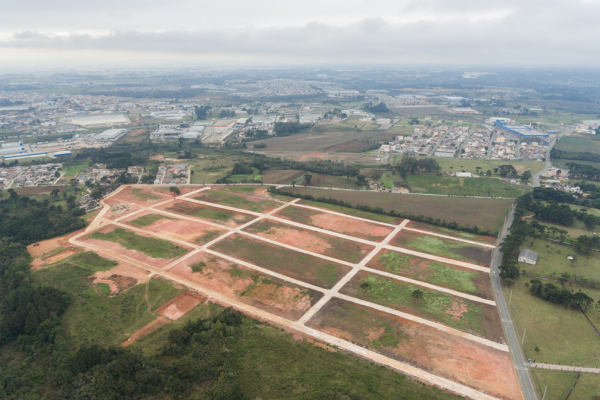
The Gujarat government will purchase private land in villages where suitable government or panchayat land is unavailable and allot residential plots free of cost to eligible rural families, Chief Minister Bhupendra Patel announced on August 15.
The decision is intended to strengthen the state’s rural housing programme by addressing a key constraint faced in several villages — the shortage of land available for allotment to families without a home. Under the existing system, eligible beneficiaries can receive residential plots from land available within village settlements. However, the availability of such land varies from one village to another.
Under the new arrangement, Gram Panchayat land will continue to be considered where available. Government wasteland and Gauchar land can also be used in accordance with applicable provisions. Where none of these sources provide sufficient land, the state will purchase privately owned parcels and make them available for allotment to eligible rural households.
The move is aimed at ensuring that beneficiaries are not excluded from the housing programme simply because their village does not have adequate government-owned land. The government said the requirement for residential plots has increased alongside the growth in the number of families and households across rural Gujarat.
The announcement builds on an existing state programme under which free residential plots are provided to rural homeless families for construction of their own houses. The state has also recently increased financial support associated with developing these plots. In July, assistance for levelling a free residential plot was raised from INR 1,000 to INR 5,000 per plot, while assistance for levelling uneven land was increased from INR 50,000 to INR 2 lakh per hectare.
The latest measure therefore extends the programme beyond simply allotting land. By allowing private land to be acquired where public land resources are inadequate, the government is seeking to increase the availability of plots and improve the ability of eligible families to access housing benefits.
The announcement was part of a broader set of measures unveiled by Patel on the occasion of India’s 80th Independence Day. Alongside the rural housing initiative, the state announced INR 3,428 crore for the renovation and improvement of 2,010 km of roads at 214 locations across Gujarat. The road works will cover important state highways and major district roads.
The government also announced measures covering child nutrition and access to overseas education loans. For Anganwadi children, the daily procurement allocation for food items was increased from INR 5.10 to INR 8.50 per child, while the annual family-income ceiling for certain overseas education loans for unreserved-category students was raised from INR 6 lakh to INR 10 lakh.
For the rural housing sector, the availability of land remains a critical part of translating housing assistance into actual home construction. The latest decision seeks to address that issue by expanding the pool of land that can be used for residential plots.
The implementation of the measure will depend on identification of eligible beneficiaries, availability of suitable private parcels, acquisition procedures and subsequent allotment through the relevant government and local authorities. The initiative is expected to support the state’s broader objective of expanding permanent housing opportunities for rural households.
Sources- PIB
Advertisement













 Facebook
 Whatsapp
