Advertisement






The Gulf conflict has disrupted global supply chains, pushed...
REITs have changed the way commercial real estate is owned a...

What does it take to preserve a real estate legacy while bui...
What really powers the cloud? Behind every Google search, A...
A lot of what defines a home isn’t visible at handover. I...
The reopening of Mumbai’s Monorail is likely to be delayed further as the Mumbai Metropolitan Region Development Authority (MMRDA) seeks additional safety checks and has yet to finalise an evacuation plan for passengers in case a train becomes stranded. The Chembur–Sant Gadge Maharaj Chowk corridor has remained shut for nearly a year and has already undergone safety testing and received clearance from the Commissioner of Metro Rail Safety. However, MMRDA wants further inspection of the elevated corridor and additional safeguards before passenger services resume. The authority has not announced a revised reopening date.
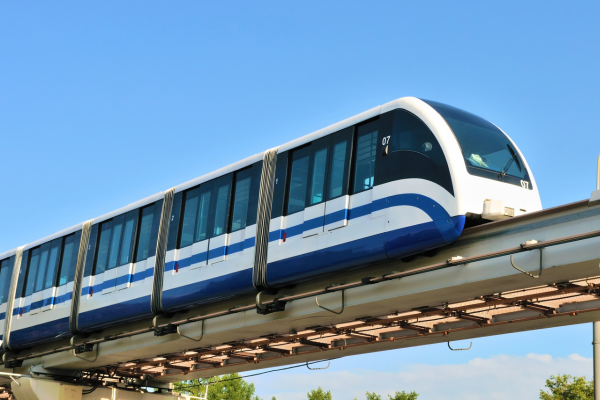
The reopening of Mumbai’s Monorail is set to face another delay as the Mumbai Metropolitan Region Development Authority (MMRDA) continues to address safety concerns and finalise arrangements required before passengers can return to the service.
The Chembur–Sant Gadge Maharaj Chowk corridor has been shut for nearly a year following a prolonged modernisation and safety upgrade. Although the upgraded system has undergone mandatory safety testing and received clearance from the Commissioner of Metro Rail Safety (CMRS), MMRDA has decided to conduct an additional inspection of the elevated corridor before allowing commercial operations to restart.
One of the key concerns is the presence of gaps at certain portions of the elevated structure. The authority is examining these sections to determine whether they could allow loose material or other objects to fall onto roads and areas below the viaduct. MMRDA Metropolitan Commissioner Dr Sanjay Mukherjee has said the additional inspection will assess whether the gaps should be covered or whether alternative safety measures are required. Any work recommended after the inspection will have to be completed before services resume.
The latest development comes even as the authority had earlier indicated that Monorail operations could resume around the end of September. The reopening was being planned alongside the completion of the Mahalaxmi multimodal connectivity project, which is intended to improve interchange between the Monorail, Metro Line 3 and the Western Railway network.
The Mahalaxmi facility is around 90 per cent complete and includes a 283-metre-long, 11-metre-wide skywalk equipped with six travellators and two passenger lifts. The facility is designed to handle approximately 4,500 passengers per hour and is expected to reduce interchange time between the three transport systems by nearly 20 minutes.
The Monorail itself has undergone extensive upgrades during the shutdown. These include the installation of a Communication-Based Train Control (CBTC) signalling system, the induction of 10 new indigenous rakes and refurbishment of existing trains. Trial runs have also been carried out while station and system-related works continue.
However, the absence of a clearly finalised passenger evacuation mechanism has emerged as another issue before the reopening. In the event of a train becoming stranded on the elevated corridor, authorities need a defined procedure to safely move passengers from the train and the viaduct to ground level. The evacuation arrangement is being examined alongside the broader safety review.
The delay means commuters will have to wait longer for the restoration of a transport link connecting eastern and central parts of Mumbai with South Mumbai. MMRDA has not yet announced a firm date for the resumption of passenger services, with the reopening now dependent on completion of the additional inspections, safety measures and evacuation arrangements.
Advertisement













 Facebook
 Whatsapp
