Advertisement






The Gulf conflict has disrupted global supply chains, pushed...
REITs have changed the way commercial real estate is owned a...

What does it take to preserve a real estate legacy while bui...
What really powers the cloud? Behind every Google search, A...
A lot of what defines a home isn’t visible at handover. I...
Prime Minister Narendra Modi said India’s solar power capacity has increased from 2 GW in 2014 to 160 GW, while the country is targeting 500 GW of renewable energy capacity by 2030. In his Independence Day address, he highlighted measures aimed at strengthening energy security as electricity demand rises across sectors including semiconductors, artificial intelligence and data centres. Modi said 50 lakh households have been covered under the PM Surya Ghar Muft Bijli Yojana, with eligible beneficiaries receiving subsidies of up to INR 80,000 for rooftop solar installations. He also outlined developments in railway electrification, hydrogen trains and nuclear energy, including a target of 100 GW of nuclear power by 2047. The government has additionally allocated INR 85,000 crore for oil and gas exploration in offshore no-go areas.
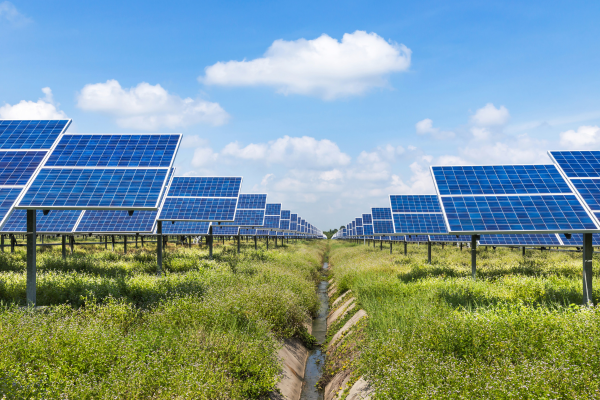
India has raised its solar energy capacity from 2 GW in 2014 to 160 GW and is targeting 500 GW of renewable energy capacity by 2030, Prime Minister Narendra Modi said in his Independence Day address on Saturday. He said the expansion of alternative energy sources was central to strengthening the country's energy security as emerging industries require increasing quantities of electricity.
Addressing the nation from the Red Fort on the 80th Independence Day, Modi said rising electricity requirements were being driven by technologies and industries including semiconductors, artificial intelligence and data centres. He said the government had taken measures to expand alternative energy sources in response to the changing energy requirements of the economy.
Modi highlighted the growth in India's solar power capacity, noting that the country had only 2 GW of solar capacity in 2014 compared with 160 GW currently. The government has set a target of 500 GW of renewable energy capacity by 2030 as part of its broader energy transition strategy.
The prime minister also referred to the expansion of rooftop solar under the PM Surya Ghar Muft Bijli Yojana. He said 50 lakh households had been covered under the scheme and that thousands of consumers were earning income from electricity generated through their rooftop solar systems. Beneficiaries can receive subsidies of up to INR 80,000 per household for installing rooftop solar systems.
Railway electrification was another area highlighted in the address. Modi said only around 30% of India's railway network had been electrified over the 90 years leading up to 2014, while electrification has since been completed. He said the shift had helped reduce diesel consumption and imports.
The prime minister also said India had started a hydrogen train, adding to the country's efforts to develop alternative energy technologies for transport.
Nuclear power was identified as another component of India's long-term energy security plans. Modi said India had enacted the Sustainable Harnessing and Advancement of Nuclear Energy (SHANTI) Act and set a target of achieving 100 GW of nuclear power capacity by 2047.
He said India had developed expertise in nuclear technology and aimed to operationalise five nuclear reactors during the current decade. Modi also said the country had made significant progress towards self-reliance in nuclear fuel.
The government is also expanding exploration for domestic oil and gas resources. Modi said oil and gas exploration had been permitted in offshore areas previously designated as no-go zones, with INR 85,000 crore allocated for the exercise.
Alongside electricity and fuel, the prime minister highlighted the expansion of piped gas infrastructure. In 2014, only 70 cities had access to piped gas supply services, while the number has since increased to 700 cities. The number of households receiving piped natural gas (PNG) has also risen from 22 lakh to 1.75 crore, according to the prime minister.
The measures outlined in the address span renewable energy, distributed solar generation, transport electrification, hydrogen, nuclear power and domestic oil and gas exploration, reflecting the government's stated focus on expanding energy availability and reducing dependence on imported fuels.
Source - PTI
Advertisement













 Facebook
 Whatsapp
