Advertisement






The Gulf conflict has disrupted global supply chains, pushed...
REITs have changed the way commercial real estate is owned a...

What does it take to preserve a real estate legacy while bui...
What really powers the cloud? Behind every Google search, A...
A lot of what defines a home isn’t visible at handover. I...
The proposed 72.44-kilometre Ghaziabad-Jewar corridor will have 11 Namo Bharat stations and 18 metro stations, according to the National Capital Region Transport Corporation (NCRTC). The corridor will connect Ghaziabad with Greater Noida, the Yamuna Expressway region and Noida International Airport at Jewar. Planned for a maximum operational speed of 180 kmph, the corridor is expected to bring travel time between Ghaziabad, Noida and the airport down to around 40-50 minutes. The project is currently at the Detailed Project Report stage, with most of the alignment planned to be elevated.
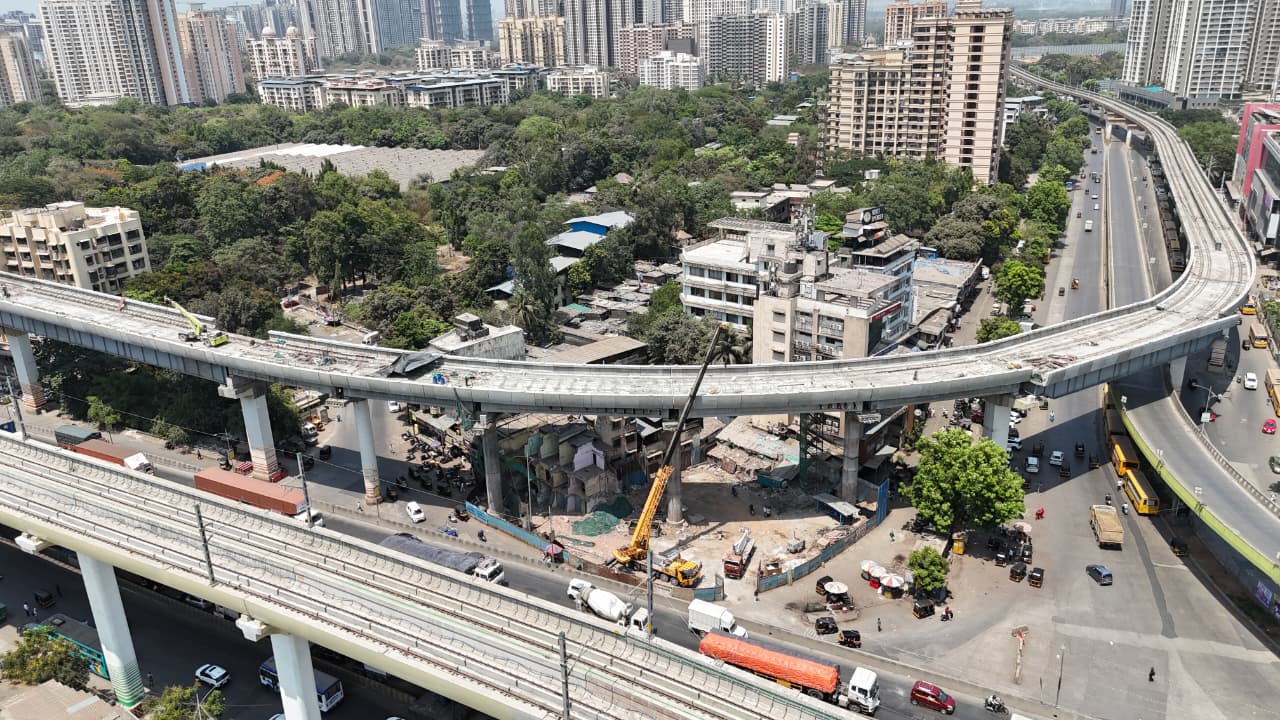
The proposed Ghaziabad-Jewar corridor will have 11 Namo Bharat stations and 18 metro stations, according to station details shared by the National Capital Region Transport Corporation (NCRTC). The 72.44-kilometre corridor is planned to connect Ghaziabad station on the Delhi-Meerut Namo Bharat corridor with Noida International Airport at Jewar.
The corridor will provide both regional rapid rail and metro services along the route. While 11 stations will serve Namo Bharat trains, 18 stations will provide metro services, giving commuters options for both longer regional journeys and local travel between key areas.
The proposed Namo Bharat stations are Ghaziabad South, Greater Noida Sector 2, Greater Noida Sector 3, Greater Noida Sector 12, Surajpur, Alpha-I, EcoTech-VI, Dankaur, YEIDA North in Sector 18, YEIDA Central in Sector 21 and Noida International Airport.
The proposed metro stations are Siddharth Vihar, Greater Noida Sector 16C, EcoTech 12, Greater Noida West Sector 4, Greater Noida Sector 10, Knowledge Park V, Police Lines Surajpur, EcoTech-2, Knowledge Park III, Omega-II, Phi-III, EcoTech-1E, EcoTech VIII, Dadupur, Junedpur, YEIDA Sector 17, YEIDA Sector 15 and YEIDA Sector 33.
Of the total corridor length, around 71.5 kilometres will be elevated, while 1.29 kilometres will run underground. The project is currently at the Detailed Project Report stage, meaning the proposed alignment and station plan are still part of the project planning process.
The corridor has been planned for a maximum operational speed of 180 kmph. Once developed, it is expected to reduce travel time between Ghaziabad, Noida and Noida International Airport to around 40-50 minutes.
The route will pass through several rapidly developing areas of the National Capital Region, including Greater Noida and the Yamuna Expressway area, before reaching Noida International Airport. The planned connectivity is expected to provide a direct public transport link between established urban areas and the airport.
The corridor is also expected to improve access to residential and commercial developments along its alignment. Areas around Greater Noida, YEIDA and the airport region have been seeing infrastructure and development activity, making regional connectivity an important part of their future transport network.
The proposed project will connect with the existing Delhi-Meerut Namo Bharat corridor at Ghaziabad. This would allow the new corridor to form a wider regional transit connection between parts of the NCR and Noida International Airport.
The combination of Namo Bharat and metro services is a key feature of the proposal. Namo Bharat services are intended to provide faster regional connectivity, while metro stations would cater to shorter-distance travel and local passenger movement along the corridor.
The airport connection is particularly important as Noida International Airport becomes part of the NCR's wider transport network. The corridor is planned to link the airport with Ghaziabad and several major urban and development zones in between.
Source PTI
Advertisement













 Facebook
 Whatsapp
