Advertisement






The Gulf conflict has disrupted global supply chains, pushed...
REITs have changed the way commercial real estate is owned a...

What does it take to preserve a real estate legacy while bui...
What really powers the cloud? Behind every Google search, A...
A lot of what defines a home isn’t visible at handover. I...
The Centre plans to establish four dedicated critical minerals processing parks in Gujarat, Maharashtra, Andhra Pradesh and Odisha as part of its efforts to build domestic processing capacity for minerals needed by the battery and clean energy industries. The proposed parks will develop element-specific ecosystems, with lithium and nickel being prioritised initially. Each facility is expected to bring processing and downstream industries together in one location. State governments will lead the planning and implementation, while the Centre will provide technical support. The initiative forms part of the broader National Critical Mineral Mission, which has an outlay of INR 34,300 crore over seven years.
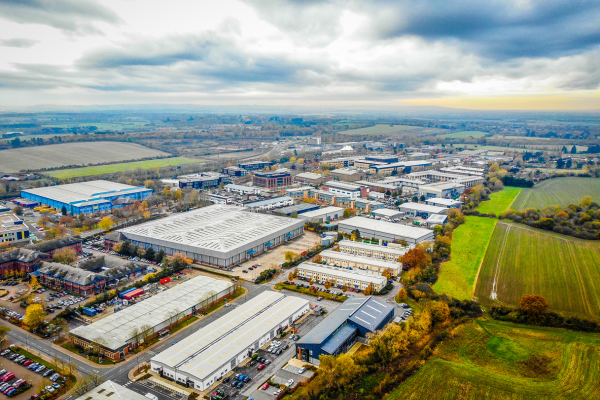
The government is planning four dedicated critical minerals processing parks in Gujarat, Maharashtra, Andhra Pradesh and Odisha to speed up domestic value addition of minerals required for battery manufacturing and other clean energy applications.
Mines Secretary Keshav Chandra said lithium and nickel will be prioritised under the initial phase as both are considered important raw materials for the battery sector. The proposed parks will be designed around individual minerals, allowing processing and downstream industries related to a particular element to be developed together.
The government plans to introduce measures for lithium and nickel processing shortly and is currently identifying designated locations for the parks. The approach is intended to create complete value chains for selected minerals instead of limiting the facilities to primary processing.
Under the proposed model, each park will have an integrated ecosystem covering mineral processing and downstream industries for a designated element. This would allow more of the value generated from critical minerals to be retained within the country and reduce the need to send processed material elsewhere for further value addition.
State governments will be responsible for planning and implementing the parks, while the Centre will provide technical assistance. Coal and Mines Minister G Kishan Reddy said the Centre had already approached state governments and chief ministers seeking their cooperation in developing the facilities.
The proposed parks are also backed by the National Critical Mineral Mission (NCMM), which provides for dedicated processing infrastructure as part of a wider strategy to strengthen India's critical mineral supply chain. The Union Cabinet approved the mission in 2025 with a total outlay of INR 34,300 crore over seven years. Of this, INR 16,300 crore is government expenditure, while public sector enterprises and other entities are expected to contribute INR 18,000 crore.
The NCMM covers the mineral value chain from exploration and mining to beneficiation, processing and recovery from end-of-life products. It also includes measures for overseas acquisition of mineral assets, recycling, research and development, skill development and technological advancement. The mission has a specific budget provision of INR 500 crore for critical minerals processing parks and INR 1,500 crore for mineral recycling.
The Centre's wider exploration programme has also expanded. The Ministry of Mines has been conducting auctions of critical and strategic mineral blocks, while the Geological Survey of India has undertaken hundreds of exploration projects. By June 2026, the government had auctioned 56 critical and strategic mineral blocks and 11 exploration licence blocks, according to government-related updates.
Critical minerals including lithium, nickel, cobalt, copper and rare earth elements are increasingly important for electric vehicles, battery manufacturing, renewable energy systems, electricity networks and other advanced industries. Securing these materials has become an important part of India's efforts to reduce supply-chain vulnerabilities and support domestic manufacturing.
The government is also pursuing overseas sources. Through Khanij Bidesh India Ltd (KABIL), India has entered into arrangements for lithium exploration and mining in Argentina and is pursuing opportunities involving lithium and cobalt assets in Australia. These efforts are being undertaken alongside domestic exploration, processing and recycling initiatives.
Source PTI
Advertisement













 Facebook
 Whatsapp
