Advertisement






The Gulf conflict has disrupted global supply chains, pushed...
REITs have changed the way commercial real estate is owned a...

What does it take to preserve a real estate legacy while bui...
What really powers the cloud? Behind every Google search, A...
A lot of what defines a home isn’t visible at handover. I...
Mumbai’s Santacruz-Chembur Link Road (SCLR) network has been fully opened, strengthening east-west connectivity between the city’s western and eastern suburbs. The completed network is expected to reduce travel times for commuters by up to 35 minutes on key routes and improve access to major arterial roads. The development was inaugurated along with the Chembur Metro station, while work on other major transport projects also advanced. The expanded road network is expected to ease pressure on congested corridors and improve connectivity towards Chembur, BKC and surrounding suburban areas.
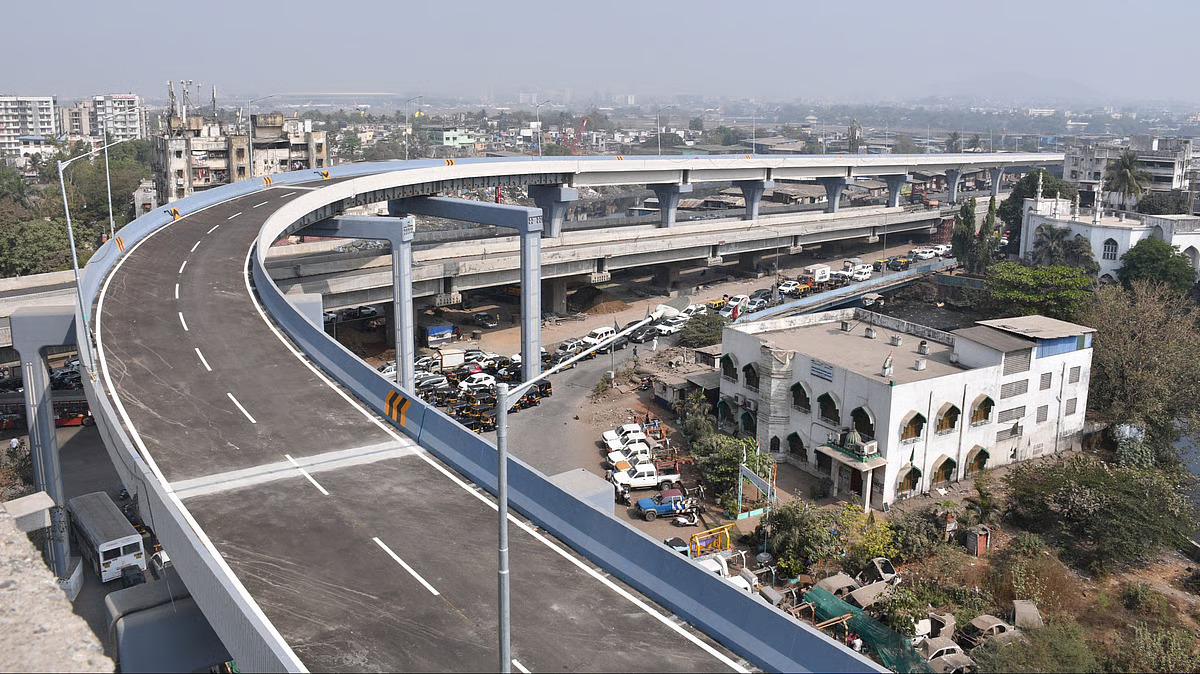
The entire SCLR network is now operational, marking the completion of a major road connectivity upgrade linking Mumbai’s western and eastern suburbs. The corridor provides an important connection between the Western Express Highway and the Eastern Express Highway, helping traffic move across the city without relying solely on north-south arterial routes.
The SCLR has historically served as an important east-west connector, particularly for motorists travelling between Santacruz, Kurla, Chembur and adjoining areas. Its integration with other road corridors is expected to improve traffic distribution across the eastern and western suburban networks. The expanded network is expected to deliver significant savings in journey time, with commuters on affected routes potentially saving as much as 35 minutes. The improvement is particularly relevant during peak periods, when congestion on Mumbai's major arterial roads can substantially increase journey times.
The additional connectivity should also provide motorists with alternative routes around some of the city's traditionally congested junctions. By distributing traffic across interconnected corridors, the project is intended to improve overall road network efficiency rather than simply increase capacity on a single stretch. The upgraded network is expected to strengthen access to commercial and residential areas around Kurla, Chembur and the Bandra-Kurla Complex (BKC). These locations generate substantial daily commuter movement and are connected to several major road and public transport corridors.
The improved road links could therefore be significant for employees and businesses operating in BKC, while also facilitating movement between the western suburbs and areas east of the central railway line. The SCLR is also connected to major arterial routes serving Navi Mumbai and the eastern suburbs. The opening of the SCLR network coincided with the inauguration of the Chembur Metro station, adding another public transport option to the broader connectivity improvements in the area. The development reflects Mumbai's continuing shift towards integrating road and mass-transit infrastructure rather than treating individual projects in isolation.
The Chembur area is emerging as an important interchange zone where road corridors, metro infrastructure and suburban transport routes converge. Better integration between these systems could help distribute commuter demand across different modes of transport. The SCLR opening comes as several major transport projects are being advanced across the Mumbai Metropolitan Region. During the same event, the Maharashtra government also launched the tunnel boring machine Arjuna for the Thane-Borivali twin-tunnel project, which is intended to establish a direct underground connection between the eastern and western sides of the northern metropolitan region.
Together, such projects form part of a wider effort to expand Mumbai's road network, create additional cross-city connections and reduce dependence on a limited number of heavily congested corridors. The full opening of the SCLR network is expected to improve east-west movement across Mumbai and reduce journey times on several important routes. Its links with major highways, Chembur, Kurla and BKC should improve network connectivity and provide additional options for commuters. The long-term impact, however, will depend on traffic management, integration with public transport and how effectively the additional road capacity is absorbed as vehicle volumes continue to rise.
Advertisement













 Facebook
 Whatsapp
