Advertisement






The Gulf conflict has disrupted global supply chains, pushed...
REITs have changed the way commercial real estate is owned a...

What does it take to preserve a real estate legacy while bui...
What really powers the cloud? Behind every Google search, A...
A lot of what defines a home isn’t visible at handover. I...
Navi Mumbai has evolved from a planned satellite city into an established urban and business centre, with large-scale infrastructure playing a central role in expanding its real estate market. Projects including the Atal Setu, Navi Mumbai International Airport (NMIA), Navi Mumbai Metro Line 1, suburban rail network and Sion-Panvel Highway have improved connectivity and supported development across new corridors. Upcoming and regional projects, including the Navi Mumbai Coastal Road, additional metro lines, water taxi services, the 126-km Virar–Alibaug Multimodal Corridor and Panvel–Karjat Suburban Rail Corridor, are expected to further integrate the region. Residential, commercial and mixed-use development has expanded into locations such as Ulwe, Panvel, Pushpak Nagar, Dronagiri and Upper Kharghar, while established employment hubs continue to support housing demand. The changing infrastructure base has also broadened Navi Mumbai’s homebuyer profile beyond affordability-led demand.
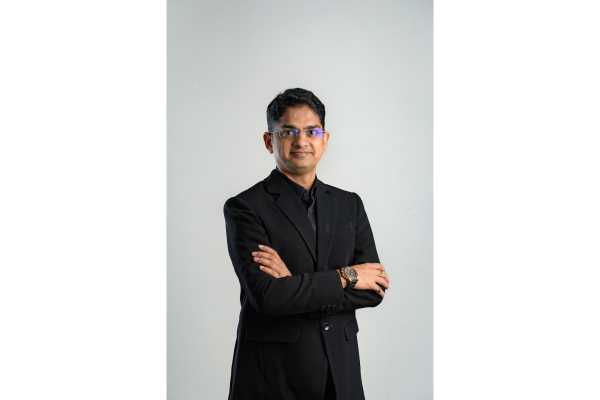
Navi Mumbai, originally planned as a satellite city to ease pressure on Mumbai, has developed into an established urban centre supported by planned land use, employment hubs and large-scale transport infrastructure. Its organised residential and commercial zones, wide roads and open spaces have provided the base for expansion of residential, commercial and mixed-use development across the region.
Infrastructure development has been closely linked to the city's real estate growth. The commissioning of major transport projects has improved accessibility between Navi Mumbai, Mumbai and surrounding regions, while creating new development corridors. Existing infrastructure includes the Navi Mumbai International Airport (NMIA), Atal Setu, Navi Mumbai Metro Line 1, the suburban railway network and the Sion-Panvel Highway.
The 21.8-km Atal Setu, which connects Sewri in Mumbai with Chirle in Navi Mumbai, has provided an additional road connection to South Mumbai. The bridge, India's longest sea bridge, has reduced travel time between the two areas and changed the attractiveness of locations including Ulwe, Dronagiri, Pushpak Nagar and Chirle. The improved road connection has also supported logistics, warehousing and commercial activity across the wider region.
NMIA is another major infrastructure project influencing Navi Mumbai's development trajectory. With Phase 1 operational and flights operating to international destinations, the airport is becoming a significant component of the region's emerging economic corridor. Its development is expected to support activity across aviation, logistics, warehousing, hospitality, retail, manufacturing and corporate services.
The airport is also being supported by surrounding transport infrastructure, including the proposed Mumbai Metro Gold Line connecting Mumbai's two airports, Targhar railway station and planned water taxi services. According to CIDCO, NMIA is expected to handle more than 90 million passengers annually. Panvel, Kharghar, Upper Kharghar, Ulwe and Pushpak Nagar are among the locations expected to benefit from airport-led activity.
Other planned infrastructure is likely to strengthen regional integration. The 126-km Virar–Alibaug Multimodal Corridor is expected to improve connections with areas including Pen, Uran and Khopta, supporting their development as commercial, logistics and industrial locations. The under-construction Panvel–Karjat Suburban Rail Corridor is intended to strengthen links between Navi Mumbai and Raigad while easing pressure on existing road and rail networks.
Navi Mumbai's established micro-markets cater to different segments. Vashi, Nerul and Seawoods remain established residential locations, while Kharghar has benefited from its education infrastructure. Ulwe has gained attention because of its proximity to South Mumbai, while Upper Kharghar has emerged as an affordable housing location supported by metro connectivity. Panvel remains an important node because of its links to Mumbai, Pune and the Konkan region. Dronagiri and Pushpak Nagar are newer locations where development has been influenced by proximity to NMIA.
The city's employment centres, including Belapur CBD, Vashi, Turbhe MIDC, Mahape and Airoli, have also supported residential demand. These areas accommodate IT parks, financial institutions, business parks, industrial clusters and manufacturing units, creating employment and demand for housing in surrounding locations.
Navi Mumbai's buyer profile has consequently broadened beyond its earlier positioning as a comparatively affordable alternative to Mumbai. Access to healthcare and educational institutions, green spaces, transport connectivity and homes across different configurations has attracted young professionals, entrepreneurs, NRIs, investors and retirees, alongside traditional end-user demand.
Disclaimer:
The views, opinions, and information expressed in this article are solely those of the author and
do not necessarily reflect the views of Prop News Time. The content has not been independently
verified or endorsed by Prop News Time. Readers are advised to exercise their own discretion and
seek professional advice if required.
Advertisement













 Facebook
 Whatsapp
