Advertisement






The Gulf conflict has disrupted global supply chains, pushed...
REITs have changed the way commercial real estate is owned a...

What does it take to preserve a real estate legacy while bui...
What really powers the cloud? Behind every Google search, A...
A lot of what defines a home isn’t visible at handover. I...
The Uttarakhand Cabinet has approved an MoU with Uttar Pradesh for extending the Ganga Expressway towards Haridwar, taking forward plans for a faster inter-state road connection. The proposed Meerut-Haridwar link is expected to reduce travel time between the two cities from around three hours to nearly 90 minutes. The extension is also expected to improve connectivity for pilgrims, tourists and commercial traffic moving between western Uttar Pradesh and Uttarakhand. The proposed route is expected to pass through areas including Amroha and Bijnor before reaching Haridwar.
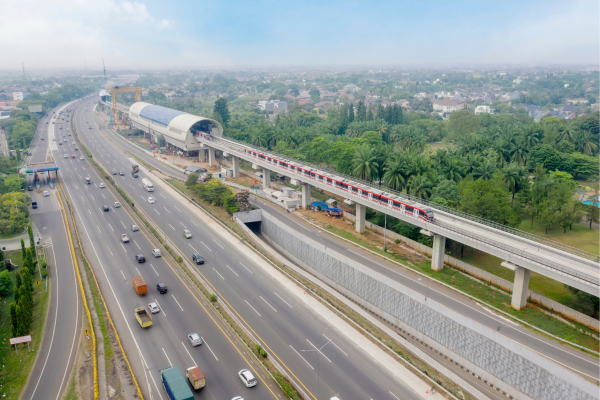
The proposed extension of the Ganga Expressway from Meerut towards Haridwar has received a significant push after the Uttarakhand Cabinet approved an MoU with Uttar Pradesh for taking the inter-state connectivity project forward. The planned link is intended to provide a faster alternative between western Uttar Pradesh and Haridwar, one of Uttarakhand's major pilgrimage and tourism centres.
Once the proposed corridor becomes operational, the Meerut-Haridwar journey is expected to take about 90 minutes, compared with the roughly three hours currently required by road. The reduction in travel time could improve daily and long-distance movement between the two regions, particularly for travellers from western Uttar Pradesh heading towards Haridwar.
The proposed link would extend the wider Ganga Expressway network beyond its planned Meerut-Prayagraj corridor. The first phase of the Ganga Expressway covers about 594 km, connecting Meerut with Prayagraj and passing through 12 districts of Uttar Pradesh. The larger network is being developed as a major east-west road corridor across the state.
The proposed Meerut-Haridwar extension is expected to connect the existing expressway system with Uttarakhand. The route under consideration is expected to pass through parts of western Uttar Pradesh, including the regions around Amroha and Bijnor, before reaching Haridwar. Detailed project planning and subsequent approvals will determine the final alignment and implementation structure.
The improved road connection could be particularly relevant for passenger movement to Haridwar, which experiences substantial traffic during religious festivals and pilgrimage periods. Haridwar also serves as an important access point for visitors travelling further into Uttarakhand. A faster connection from Meerut could therefore provide an additional road link for traffic originating from Delhi-NCR and western Uttar Pradesh.
The corridor could also support movement of goods between the two states. Faster access between industrial and commercial centres in western Uttar Pradesh and Haridwar may improve road-based logistics and reduce dependence on existing routes where traffic volumes can be high.
For Uttarakhand, the project also has wider regional connectivity implications. Haridwar is an important urban and economic centre, while its location makes it a gateway for movement towards several destinations in the state. Improved links with the western Uttar Pradesh road network could strengthen the city's position within the wider regional transport system.
However, the Cabinet's approval of the MoU represents a step towards developing the proposed connection rather than the completion of the project. Further stages are expected to involve detailed planning, route finalisation, technical assessments, land-related processes and other statutory approvals before construction can progress.
The proposed extension forms part of a broader effort to expand high-speed road connectivity across northern India. Its eventual completion would link Haridwar more directly with the Ganga Expressway network and could reduce journey times between Uttarakhand and major centres in western Uttar Pradesh.
The Meerut-Haridwar extension is expected to strengthen inter-state connectivity while reducing road travel time between the two cities substantially. Its potential benefits extend beyond faster passenger movement to pilgrimage, tourism and commercial traffic. The immediate focus will now be on translating the approved inter-state framework into detailed project planning and implementation. The final impact on regional mobility will depend on the alignment, project execution and eventual commissioning of the proposed corridor.
Advertisement













 Facebook
 Whatsapp
