Advertisement






The Gulf conflict has disrupted global supply chains, pushed...
REITs have changed the way commercial real estate is owned a...
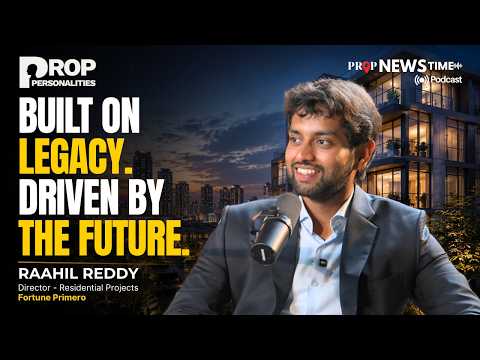
What does it take to preserve a real estate legacy while bui...
What really powers the cloud? Behind every Google search, A...
A lot of what defines a home isn’t visible at handover. I...
A group of 127 architects has urged the Maharashtra government to protect Mumbai's public land, open spaces and ecological assets from fragmented development and infrastructure projects. The architects have called for a broader approach to public land management, arguing that such spaces should be treated as long-term community assets rather than short-term development resources. Their appeal comes amid continuing pressure on Mumbai's limited land resources for housing, transport and other infrastructure. The group has also stressed the importance of preserving the city's environmental assets while planning future urban growth.

A collective of 127 architects has appealed to the Maharashtra government to safeguard Mumbai's public land and open spaces, warning that the city's limited common and ecological assets could face increasing pressure as demand for housing and infrastructure grows.
The architects have called for public land to be viewed as a long-term resource serving the wider population rather than being considered primarily for individual development requirements. They have argued that decisions involving such land should account for its social, environmental and recreational value.
Mumbai has limited availability of open land, making existing public spaces particularly important for residents. Parks, waterfront areas, recreational grounds and other publicly accessible properties contribute to the city's liveability while also providing environmental functions in an increasingly dense urban environment.
The architects have raised concerns about what they describe as piecemeal development of public assets. According to the collective, individual projects may appear beneficial when considered separately but can collectively reduce the amount of land available for public use and weaken the city's ecological network.
The appeal comes against the backdrop of Mumbai's continuing infrastructure requirements. The city is witnessing major investments in transport, housing, redevelopment and other urban projects, creating competition for land. The architects have urged authorities to ensure that infrastructure expansion does not come at the cost of irreplaceable public and environmental assets.
The group has also advocated a more comprehensive approach to urban planning, in which public land is assessed as part of Mumbai's larger spatial and ecological framework. Such an approach could help authorities identify land that should remain available for community use, recreation, environmental protection and future public requirements.
Mumbai's open spaces also have a role in mitigating some of the effects of high-density development. Areas with vegetation and permeable surfaces can support urban cooling, improve local environmental conditions and provide residents with access to outdoor spaces.
The architects' intervention therefore extends beyond individual parcels of land and raises broader questions about how Mumbai should balance infrastructure expansion with public interest. As the city continues to redevelop existing neighbourhoods and build new infrastructure, decisions over public land are likely to have long-term consequences for its urban form and quality of life.
The collective has called for greater protection of public and ecological assets and a planning framework that prioritises the long-term interests of Mumbai's residents. The debate is expected to remain relevant as the government evaluates competing demands for land for housing, transport, commercial development and civic infrastructure.
Advertisement













 Facebook
 Whatsapp
