Advertisement






The Gulf conflict has disrupted global supply chains, pushed...
REITs have changed the way commercial real estate is owned a...

What does it take to preserve a real estate legacy while bui...
What really powers the cloud? Behind every Google search, A...
A lot of what defines a home isn’t visible at handover. I...
RITES and Hindustan Petroleum Corporation Ltd (HPCL) have signed a memorandum of understanding to collaborate on railway infrastructure consultancy for HPCL's petroleum facilities. The partnership will focus on planning and developing railway siding infrastructure, with RITES providing its technical and consultancy expertise. The initiative is aimed at improving rail connectivity to HPCL's facilities and supporting more efficient movement of petroleum products through rail-based logistics. The agreement also creates a framework for the two public sector companies to work together on infrastructure development requirements across HPCL's network.
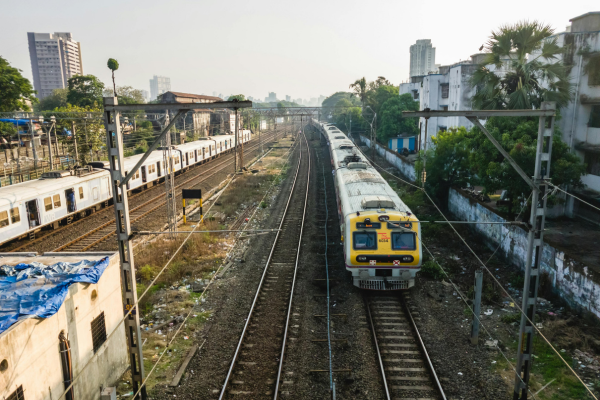
State-owned engineering and consultancy company RITES Ltd and Hindustan Petroleum Corporation Ltd (HPCL) have entered into a memorandum of understanding to collaborate on railway infrastructure consultancy across HPCL's petroleum facilities.
The agreement will enable RITES to support HPCL in planning and developing railway siding infrastructure associated with its facilities. Railway sidings provide direct rail access to industrial and petroleum installations, allowing bulk commodities to be transported between facilities and the wider rail network.
Under the proposed collaboration, RITES will bring its experience in railway engineering, project consultancy and infrastructure planning to support HPCL's requirements. The partnership provides a framework for identifying and developing rail infrastructure solutions suited to the operational needs of HPCL's petroleum facilities.
For the petroleum sector, rail connectivity can play an important role in moving large volumes of products over longer distances. Dedicated or upgraded sidings can improve the interface between industrial facilities and the railway network, potentially supporting more streamlined loading, unloading and dispatch operations.
The MoU also reflects the growing focus on strengthening multimodal logistics infrastructure in India. Greater use of rail for bulk transportation can complement road-based logistics and provide companies with additional options for moving petroleum products between production, storage and distribution locations.
RITES has undertaken consultancy and engineering assignments across India's railway and transport infrastructure sectors. Its involvement in the project is expected to cover technical aspects associated with railway siding development, although the specific facilities and project-wise scope will depend on HPCL's requirements.
HPCL operates a network of refineries, terminals, depots and other petroleum infrastructure across the country. Improving rail access to these facilities could support the company's broader logistics requirements and enhance connections between its installations and the national railway network.
The collaboration also provides an opportunity for both public sector companies to work together on future rail infrastructure requirements. Any individual projects emerging from the MoU would be subject to their respective technical assessments, planning requirements and applicable approvals.
The agreement comes as India continues to expand its logistics infrastructure and promote more efficient freight movement across transport modes. For petroleum companies handling large and geographically distributed supply networks, integrated rail infrastructure can form an important part of long-distance distribution planning.
The RITES-HPCL partnership is therefore expected to focus on strengthening the rail interface at petroleum facilities, with the broader objective of supporting infrastructure capacity and logistics efficiency. Further project-specific details, including locations, investment requirements and implementation schedules, are expected to emerge as individual railway siding requirements are assessed.
Advertisement













 Facebook
 Whatsapp
