Advertisement






The Gulf conflict has disrupted global supply chains, pushed...
REITs have changed the way commercial real estate is owned a...

What does it take to preserve a real estate legacy while bui...
What really powers the cloud? Behind every Google search, A...
A lot of what defines a home isn’t visible at handover. I...
Mumbai is set to add a new public viewing facility in Bandra as part of the Bandra Wastewater Treatment Facility being developed under Stage II of the Mumbai Sewage Disposal Project. The 360 MLD sewage treatment plant, being executed by Larsen & Toubro for the Brihanmumbai Municipal Corporation, is designed to incorporate a panoramic viewing gallery along with a knowledge centre and library. The civic infrastructure project is intended to combine wastewater treatment with public-oriented facilities, creating a space that can provide views of the city’s coastline while supporting awareness of sewage treatment.
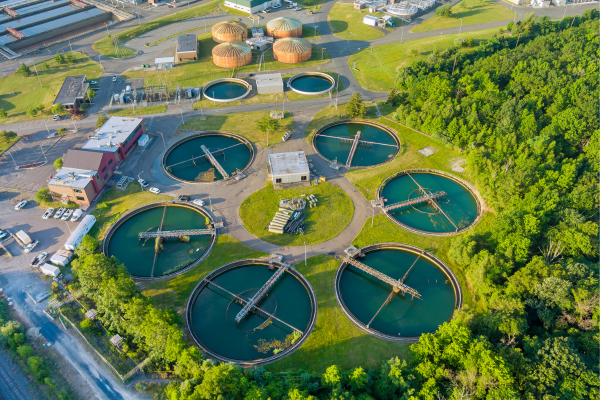
Mumbai’s Bandra is set to get a new sea-facing public viewing facility, with a panoramic gallery planned as part of the Bandra Wastewater Treatment Facility being developed under Stage II of the Mumbai Sewage Disposal Project.
The viewing deck is being integrated into a sewage treatment project rather than developed as a standalone waterfront attraction. The facility is being executed by Larsen & Toubro (L&T) Construction for the Brihanmumbai Municipal Corporation (BMC), under a contract covering the design, construction, operation and maintenance of the wastewater treatment plant.
According to L&T’s project announcement, the Bandra facility is designed to have a treatment capacity of 360 million litres per day (MLD). Alongside the core wastewater treatment infrastructure, the project includes a panoramic viewing gallery, knowledge centre and library. These public-facing components are intended to support awareness among stakeholders about wastewater management and the treatment process.
The inclusion of the viewing gallery gives the infrastructure project an additional public-use dimension. Rather than limiting the site to an operational sewage treatment facility, the project design incorporates a space from which visitors can view the surrounding area while also gaining access to facilities intended for information and awareness.
The project forms part of the larger Mumbai Sewage Disposal Project – Stage II, through which the BMC is developing additional wastewater treatment infrastructure across the city. The Bandra facility is among the treatment plants being developed to improve the city’s sewage management capacity.
The civic infrastructure component is particularly significant because Mumbai’s wastewater network has to accommodate large volumes generated by a densely populated urban area. The planned 360 MLD capacity at Bandra represents a substantial addition to the city’s treatment infrastructure.
The BMC’s more recent documentation on sludge management also shows that wastewater treatment plants across Mumbai are being planned alongside systems for handling the sludge generated through treatment. The civic body estimates that the seven major wastewater treatment facilities together could generate approximately 500–600 metric tonnes of digested sludge per day, although the quantity is described as tentative.
The sludge-management framework covers multiple treatment plant sites, including Bandra, Worli, Dharavi and Malad, as well as facilities at Bhandup, Ghatkopar and Versova. The BMC’s June 2026 documentation notes that sludge will be generated after the sewage treatment plants under construction are completed and commissioned.
For Bandra, the treatment plant is therefore being developed as part of a broader shift towards expanded wastewater infrastructure and more comprehensive resource management. The inclusion of a knowledge centre and library further links the facility with public awareness and education.
The viewing gallery could consequently offer Mumbai residents a different way to engage with civic infrastructure that is generally hidden from public view. Its location within the wastewater treatment complex also creates an opportunity to connect the city’s waterfront experience with awareness of the systems required to maintain it.
While the primary purpose of the project remains wastewater treatment, the planned gallery and associated public facilities add a civic and educational layer to the development. Once completed, the Bandra facility is expected to combine a major 360 MLD treatment operation with a public-facing space overlooking Mumbai’s coastline.
Source- NSE Archives
Advertisement













 Facebook
 Whatsapp
