Advertisement






What really powers the cloud? Behind every Google search, A...
A lot of what defines a home isn’t visible at handover. I...
Private equity has played a significant role in shaping Indi...
Luxury real estate is one of the most talked-about segments ...
Airports play a much bigger role than just enabling travel -...
• The Kazipet Rail Manufacturing Unit in Telangana is nearing completion and will begin manufacturing 200 next-generation intercity trains over the next five years, Union Railway Minister Shri Ashwini Vaishnaw announced.
• The trains are being designed for short-distance travel of around 300 km with frequent stops, offering improved regional connectivity between towns and cities.
• The new fleet will feature modern passenger amenities, energy-efficient technologies and enhanced safety systems to support affordable and sustainable rail transport.
• The manufacturing unit is expected to strengthen India's rolling stock production capacity while supporting the expansion of regional passenger rail services across the country.
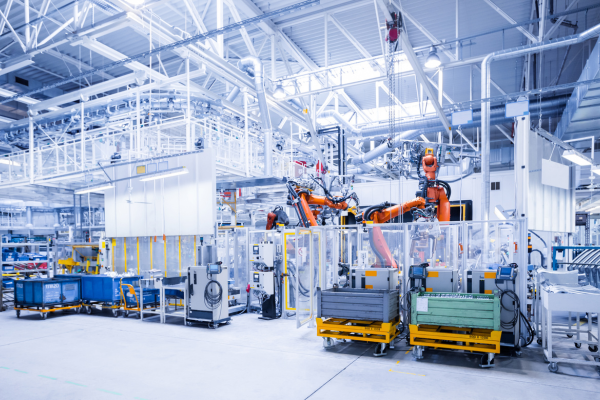
The Kazipet Rail Manufacturing Unit in Telangana is on the verge of becoming operational and will commence the production of next-generation intercity trains, marking a significant addition to Indian Railways' rolling stock manufacturing capacity. Union Railway Minister Shri Ashwini Vaishnaw reviewed the progress of the facility along with Minister of State for Railways Shri Ravneet Singh Bittu and senior railway officials, stating that the unit will manufacture 200 intercity trains over the next five years.
The upcoming manufacturing facility has been developed as a versatile rolling stock production unit capable of supporting India's growing passenger rail requirements. The first batch of trains to be produced at Kazipet will cater to short-distance intercity travel, with services designed to operate over routes of approximately 300 km and make frequent halts at intermediate stations. The trains are intended to improve connectivity between neighbouring towns and cities, making daily travel more convenient for students, office-goers, patients and other commuters.
According to the Ministry of Railways, the new train sets will offer an affordable travel option while functioning as high-frequency regional services across the country. The expansion of such services is also expected to encourage a shift of short-distance passenger traffic from roads to rail, thereby improving transport efficiency and reducing congestion on highways.
The trains will incorporate a range of modern passenger amenities and safety features. Each train will have a 20-coach configuration equipped with automatic door-closing systems, improved ventilation and enhanced coach design. Every coach will be provided with two toilets, positioned at either end, to improve passenger convenience during regional journeys.
Indian Railways has also integrated advanced engineering features into the new fleet. The trains will be fitted with modern jerk-free couplers and upgraded bogies and are being designed to operate at speeds of up to 130 kmph. They will additionally feature regenerative braking technology, enabling electricity generated during braking to be fed back into the power system, thereby improving energy efficiency and reducing overall carbon emissions compared with equivalent road-based transport.
The operationalisation of the Kazipet Rail Manufacturing Unit is expected to strengthen India's domestic rolling stock manufacturing ecosystem while supporting the expansion of regional rail connectivity. The project also aligns with Indian Railways' broader strategy of increasing the share of environmentally sustainable passenger transport through modern, energy-efficient train fleets.
Once production begins, the trains manufactured at Kazipet will be deployed across different regions of the country, supporting growing demand for reliable intercity mobility. The Ministry of Railways expects the new fleet to enhance regional connectivity, improve passenger comfort and contribute to a greener and more efficient public transport network.
Source PIB
Advertisement













 Facebook
 Whatsapp
