Advertisement






What really powers the cloud? Behind every Google search, A...
A lot of what defines a home isn’t visible at handover. I...
Private equity has played a significant role in shaping Indi...
Luxury real estate is one of the most talked-about segments ...
Airports play a much bigger role than just enabling travel -...
The Delhi High Court has questioned the authorities over why nearly 24,000 vacant Economically Weaker Section (EWS) flats have not been allotted to slum dwellers facing eviction from settlements near the Prime Minister's residence. Hearing petitions filed by affected residents, the court sought explanations from the Centre, the Delhi Development Authority (DDA) and other agencies on the availability and utilisation of completed housing units. The matter has reignited concerns over rehabilitation policy, implementation of in-situ redevelopment and the utilisation of publicly funded affordable housing stock in the national capital.
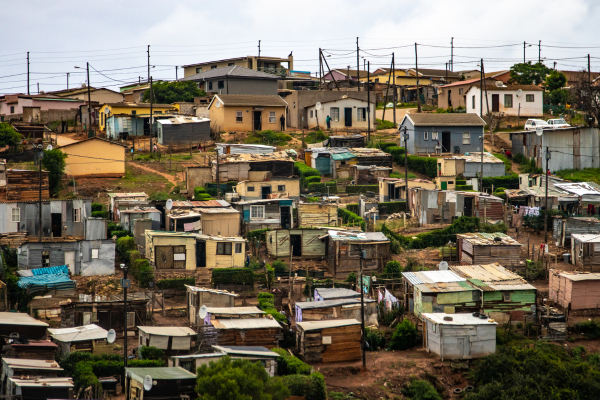
The Delhi High Court has sought answers from the Centre and civic authorities over the non-allotment of nearly 24,000 completed Economically Weaker Section (EWS) flats to slum residents facing eviction from settlements located near the Prime Minister's residence. The court's observations came during the hearing of petitions filed by residents challenging the demolition of informal settlements without adequate rehabilitation.
During the proceedings, the court questioned why a large inventory of completed government-built housing units remained vacant while thousands of families continued to face displacement. It asked the concerned authorities to explain whether these vacant flats could be utilised to rehabilitate eligible residents before eviction is carried out.
The matter relates to the proposed removal of slum clusters located in the vicinity of the Prime Minister's official residence as part of redevelopment and security-related infrastructure works. Petitioners argued that the affected families have been residing in the area for years and should not be displaced without being provided alternative accommodation in accordance with existing rehabilitation policies.
The court observed that the issue was not merely one of eviction but also of ensuring that publicly funded affordable housing created for economically weaker sections is effectively utilised. It sought details regarding the status, location and occupancy of the vacant EWS flats, along with the criteria governing their allotment.
The Delhi Development Authority (DDA) and other agencies informed the court that rehabilitation is governed by eligibility norms under existing policies, including documentary requirements and cut-off dates for beneficiaries. However, the petitioners contended that the rehabilitation process has been inconsistent, leaving several eligible families without access to alternative housing despite the availability of completed units.
The proceedings have once again highlighted the broader challenge of balancing urban redevelopment with the rehabilitation of vulnerable communities. While redevelopment projects are intended to improve urban infrastructure and optimise land use, courts have repeatedly stressed that eviction exercises must comply with constitutional safeguards and rehabilitation obligations.
Affordable housing experts note that the existence of vacant EWS housing alongside ongoing displacement raises important questions about policy implementation rather than housing supply alone. Better coordination between implementing agencies, transparent beneficiary identification and timely allotment mechanisms are considered essential to ensure that completed housing stock serves its intended purpose.
The High Court has directed the concerned authorities to place relevant records before it and explain the status of the vacant housing inventory and rehabilitation measures available for the affected residents. The matter is expected to continue in subsequent hearings as the court examines whether adequate rehabilitation has been planned before any eviction process proceeds.
The outcome of the case could have wider implications for future slum redevelopment and rehabilitation projects in Delhi, particularly where public housing stock already exists but remains unoccupied. It may also influence the implementation of affordable housing schemes by reinforcing the need to align redevelopment initiatives with rehabilitation commitments for economically weaker sections.
Source- PTI
Advertisement













 Facebook
 Whatsapp
