Advertisement






What really powers the cloud? Behind every Google search, A...
A lot of what defines a home isn’t visible at handover. I...
Private equity has played a significant role in shaping Indi...
Luxury real estate is one of the most talked-about segments ...
Airports play a much bigger role than just enabling travel -...
The Maharashtra Legislature has passed an amendment to the Maharashtra Housing and Area Development Authority (MHADA) Act to revive the implementation of Section 79A, clearing a major legal hurdle that had stalled the redevelopment of more than 13,000 old and dilapidated cessed buildings in Mumbai. The amendment seeks to restore MHADA's powers to intervene when landlords fail to initiate redevelopment of unsafe structures while enabling occupants to undertake redevelopment with majority consent. The Bill now awaits the Governor's assent and is expected to accelerate long-pending redevelopment projects, improving housing safety for lakhs of residents across Mumbai.
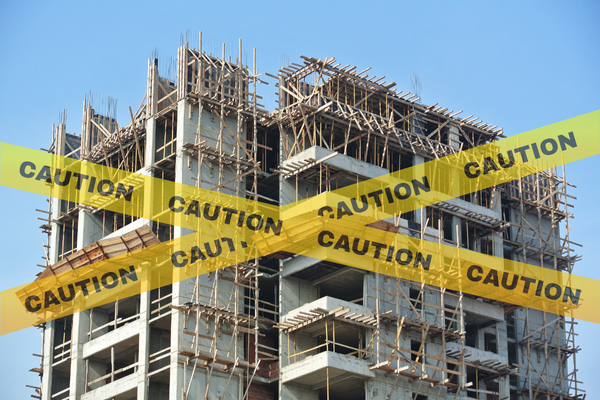
The Maharashtra Legislature has approved an amendment to the Maharashtra Housing and Area Development Authority (MHADA) Act, reviving the implementation of Section 79A and paving the way for the redevelopment of more than 13,000 ageing and structurally unsafe cessed buildings across Mumbai. The amendment, passed by both the Legislative Assembly and Legislative Council, now awaits the Governor's assent before becoming law.
The legislative correction aims to remove the legal ambiguity that had led the Bombay High Court to stay the implementation of Section 79A after petitions challenged MHADA's authority to issue redevelopment notices under the provision. Nearly 935 notices issued by MHADA had remained in abeyance, delaying redevelopment projects involving thousands of residents living in dangerous structures.
Section 79A was originally introduced, along with Section 79B, following a series of fatal building collapses in Mumbai, including incidents at Husaini Building, Dongri and Fort. The provisions were intended to empower MHADA to step in when landlords failed to initiate redevelopment of unsafe cessed buildings within the prescribed timeline. They also enabled tenants to undertake redevelopment independently if at least 51% of occupants consented to the proposal.
The latest amendment reaffirms MHADA's authority to exercise these powers, thereby restoring the legal framework required to fast-track redevelopment. Officials believe the move will unlock several projects that have remained stalled due to litigation and procedural uncertainty, particularly in South Mumbai's island city where a large number of ageing cessed buildings continue to pose safety risks.
According to MHADA, there are approximately 13,091 cessed buildings under the jurisdiction of the Mumbai Building Repairs and Reconstruction Board. Many of these structures are several decades old and have been classified as dilapidated or unsafe, requiring urgent redevelopment. The authority has been actively encouraging societies and landlords to initiate redevelopment under the statutory framework to reduce the risk of structural failures, especially during the monsoon season.
The amendment is expected to significantly benefit occupants of old buildings by providing a clearer legal mechanism for redevelopment while reducing dependence on unresponsive landlords. It also aims to streamline decision-making by allowing redevelopment proposals supported by a majority of tenants, thereby preventing projects from remaining stalled for years due to disputes or inaction.
Urban redevelopment experts have described the amendment as a crucial intervention for Mumbai's ageing housing stock. With redevelopment expected to improve structural safety, housing quality and urban infrastructure, the revised legal framework is likely to accelerate the renewal of old cessed buildings while strengthening MHADA's ability to implement redevelopment projects in the public interest.
Advertisement













 Facebook
 Whatsapp
