Advertisement






What really powers the cloud? Behind every Google search, A...
A lot of what defines a home isn’t visible at handover. I...
Private equity has played a significant role in shaping Indi...
Luxury real estate is one of the most talked-about segments ...
Airports play a much bigger role than just enabling travel -...
The Navi Mumbai Municipal Corporation (NMMC) has launched a focused drive to prevent mosquito breeding at construction sites across the city during the monsoon, targeting 270 active projects under the jurisdiction of its 26 Urban Primary Health Centres. The campaign includes weekly larvicide spraying, chemical fogging, guppy fish deployment and inspections of labour camps to curb the spread of vector-borne diseases such as dengue and malaria. The civic body said 265 construction sites have already been stocked with guppy fish, while more than 3,500 workers' residential units have been treated over the past three months. The initiative forms part of NMMC's broader public health strategy amid continued residential development and redevelopment activity across Navi Mumbai.
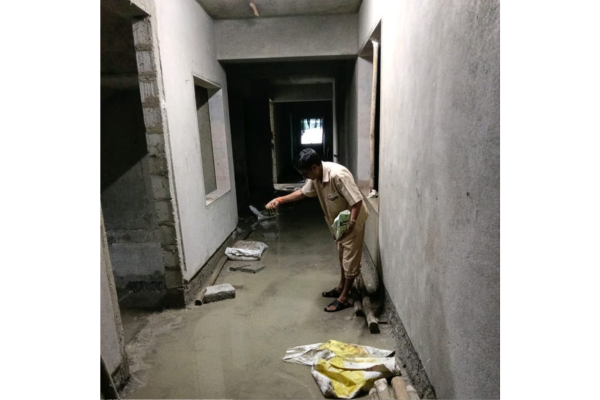
The Navi Mumbai Municipal Corporation (NMMC) has stepped up measures to prevent mosquito breeding at construction sites across the city, implementing a special monsoon campaign covering 270 ongoing projects as part of its efforts to control dengue and malaria. The civic body said the initiative is being carried out through its Health Department in coordination with the city's 26 Urban Primary Health Centres, where weekly anti-larval treatment schedules have been prepared for all active construction sites.
Navi Mumbai, a planned city situated along the creek and connected to neighbouring urban centres through an established rail and road network, has witnessed continued growth in residential development to meet increasing housing demand. Alongside new residential projects, redevelopment activities have also expanded, creating numerous construction sites where stagnant water can accumulate during the monsoon. According to the civic body, such conditions increase the risk of mosquito breeding and the spread of vector-borne diseases.
The municipal corporation said routine larvicide spraying and chemical fogging are undertaken throughout the jurisdiction of all Urban Primary Health Centres. During the monsoon, however, additional emphasis is placed on inspecting mosquito breeding sources within residential premises and carrying out anti-larval treatment at construction sites.
As part of the campaign, NMMC has categorised all ongoing construction projects based on the number of workers employed. Of the 270 active sites identified across the city, 152 have between one and 50 construction workers, 45 sites employ between 51 and 100 workers, while 40 projects have more than 100 workers. The remaining 33 locations consist of excavated plots where construction has not yet commenced but foundation pits have already been dug.
The civic body has introduced a range of preventive measures at these sites, including regular health camps, anti-larval powder spraying inside labour accommodation, routine granular larvicide treatment and the release of guppy fish into stagnant water bodies to control mosquito larvae naturally.
According to NMMC, guppy fish have already been introduced at 265 of the 270 construction sites identified under the programme. Over the past three months, anti-larval powder spraying has been carried out in 3,560 labour housing units located within construction premises. The corporation also stated that approximately 14,390 workers are currently employed across the 270 active construction sites covered under the campaign.
The municipal corporation said all anti-larval treatment activities are subject to follow-up inspections by supervisors and senior officials to verify the effectiveness of the measures and ensure implementation standards are maintained.
Alongside the civic measures, Mayor Sujata Suraj Patil and Municipal Commissioner Dr Kailas Shinde have appealed to Navi Mumbai residents to eliminate mosquito breeding sources within their homes and surrounding areas, maintain cleanliness, and remove discarded materials and debris from terraces and open spaces. The civic administration said public participation, together with ongoing municipal action, will be essential in reducing the incidence of dengue and malaria across the city during the monsoon season.
Advertisement













 Facebook
 Whatsapp
