Advertisement






What really powers the cloud? Behind every Google search, A...
A lot of what defines a home isn’t visible at handover. I...
Private equity has played a significant role in shaping Indi...
Luxury real estate is one of the most talked-about segments ...
Airports play a much bigger role than just enabling travel -...
• The Maharashtra government has constituted a committee to formulate a rehabilitation plan for eligible slum residents living on mangrove land and other environmentally sensitive areas across the state.
• The panel will undertake surveys, identify eligible beneficiaries and prepare a comprehensive rehabilitation strategy within a stipulated timeframe.
• Families that cannot be rehabilitated at their existing locations will be considered for resettlement through government housing agencies such as MHADA, CIDCO and the Slum Rehabilitation Authority (SRA).
• The initiative seeks to balance environmental conservation with rehabilitation of eligible occupants while enabling the restoration and protection of mangrove ecosystems.
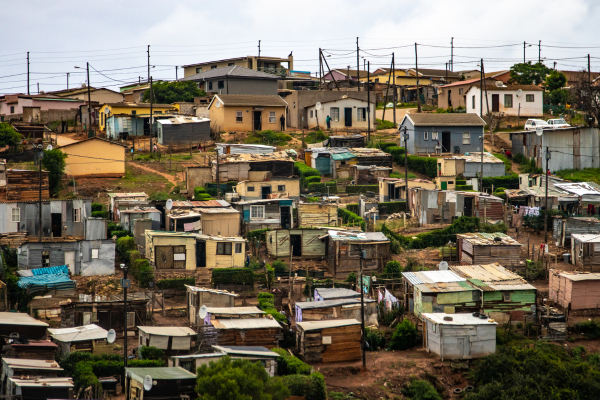
The Maharashtra government has initiated the process of preparing a rehabilitation framework for slum settlements located on mangrove land by constituting a dedicated committee to identify eligible beneficiaries and recommend suitable rehabilitation measures. The move is aimed at protecting ecologically sensitive mangrove areas while ensuring that residents who qualify under the state's rehabilitation policies are provided with alternative housing.
According to the proposed framework, the committee will carry out detailed surveys of settlements situated on mangrove land and other protected areas to determine the eligibility of occupants. The exercise will include both biometric and physical verification to establish the identity of residents and minimise discrepancies during the rehabilitation process. The government has indicated that a comprehensive master plan will be prepared after completion of the surveys.
The rehabilitation strategy will identify households that can be accommodated through existing redevelopment mechanisms as well as those that cannot be rehabilitated at their present locations because of environmental restrictions. Such families may be considered for relocation through projects undertaken by agencies including the Maharashtra Housing and Area Development Authority (MHADA), the City and Industrial Development Corporation (CIDCO), the Slum Rehabilitation Authority (SRA) and other government housing programmes, subject to eligibility norms.
The initiative comes against the backdrop of increasing emphasis on conserving mangrove ecosystems, which serve as natural buffers against coastal erosion, flooding and storm surges while supporting biodiversity. The state government intends to reclaim encroached mangrove areas after rehabilitation of eligible occupants, enabling restoration and long-term protection of these environmentally significant zones.
The committee is expected to examine legal, environmental and planning aspects while preparing its recommendations. Its work will also take into account existing rehabilitation policies and judicial directions relating to settlements on protected land. The proposed framework is intended to provide a structured approach for addressing long-standing issues concerning habitation on ecologically sensitive sites while reducing uncertainty over future rehabilitation measures.
The government has set a timeline for completion of the survey process and preparation of the rehabilitation master plan. Once finalised, the recommendations are expected to guide future action on rehabilitation, environmental restoration and land management in mangrove areas across Maharashtra. The exercise is also expected to assist planning authorities in protecting vulnerable coastal ecosystems while implementing rehabilitation in accordance with applicable laws and policy provisions.
Source PTI
Advertisement













 Facebook
 Whatsapp
