Advertisement






What really powers the cloud? Behind every Google search, A...
A lot of what defines a home isn’t visible at handover. I...
Private equity has played a significant role in shaping Indi...
Luxury real estate is one of the most talked-about segments ...
Airports play a much bigger role than just enabling travel -...
Australia’s housing market has entered its weakest phase since the COVID-19 pandemic, with higher borrowing costs and changes to investor tax policies reducing buyer confidence and slowing property activity. Home prices in Sydney and Melbourne have declined, while housing demand, mortgage inquiries and property sales have weakened. The slowdown is also affecting industries linked to real estate, including construction, retail and banking, while state governments are facing lower stamp duty collections. The Reserve Bank of Australia (RBA) has acknowledged the sharper-than-expected cooling in the housing market as it continues its efforts to control inflation.
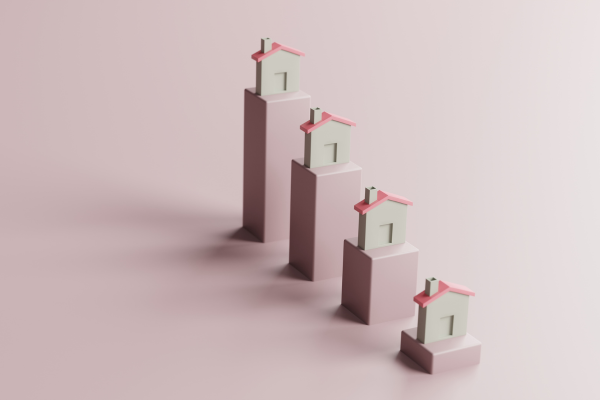
Australia’s housing market is experiencing its weakest period since the pandemic as higher borrowing costs and changes to investor tax benefits reduce confidence across the property sector. Buyers and sellers have become more cautious after years of strong price growth, resulting in slower market activity.
Home prices in Sydney and Melbourne have fallen by nearly 5% so far this year. The slowdown is reflected in lower attendance at open homes, weaker auction clearance rates, fewer mortgage inquiries and a decline in property sales.
The weaker housing market is beginning to affect the wider economy. Businesses such as real estate agencies, removal companies and tradespeople are reporting lower demand, while state governments are preparing for reduced stamp duty collections. Earlier this year, the New South Wales government lowered its stamp duty revenue forecast by AUD 5.3 billion over the next four years.
The slowdown also poses a risk to consumer spending. Around two-thirds of Australian households own their homes, and property values have traditionally supported household confidence to borrow and spend.
Sydney-based kitchen renovation business owner Jason Zhang said many clients were postponing renovation projects, making him concerned that work could slow further next year. He said many people were preparing for a prolonged period of weak market conditions unless interest rates declined.
Despite the recent correction, Australia's housing market remains significantly larger than it was at the beginning of the decade. The combined value of the country's 11.5 million homes has risen by 87% during this decade to a record AUD 12.8 trillion.
The Reserve Bank of Australia contributed to the market slowdown after raising interest rates three times between February and May to contain inflation, reversing last year's policy easing that had supported housing prices.
Speaking earlier this week, Reserve Bank Governor Michele Bullock said the housing market remained an important indicator of whether financial conditions were restrictive enough to bring inflation back under control. She also acknowledged that housing activity had slowed more than the central bank had expected and indicated that policymakers would continue monitoring inflation before making further decisions.
The market has also come under pressure following the government's changes to investor tax benefits. The reforms reduced negative gearing benefits for established homes and removed a generous tax discount available to investors. Data from credit analytics firm Equifax showed mortgage inquiry volumes declined 14% in June compared with a year earlier, reversing the growth recorded at the beginning of the year. Research by property data provider Cotality found that higher borrowing costs meant homes had not become more affordable in Sydney and Melbourne despite the recent fall in property prices.
Sydney mortgage broker Liza Cheong said many first-home buyers remained hesitant to take on long-term financial commitments despite government support measures. She also said many investors had withdrawn from planned purchases following the changes to negative gearing tax benefits.
The slowdown is also affecting Australia's banking sector, where housing loans remain a key business segment. The country's banking index has fallen 12% since February, reducing the sector's market value by more than AUD 60 billion. Retailers are beginning to feel the impact as well. Department store Myer recently warned of weaker consumer spending during June and July, identifying the softer housing market as one of the pressures affecting household spending.
New property listings have declined even though the number of homes available for sale has increased, indicating that properties are taking longer to sell. According to Ray White, Sydney apartment sales fell to 2,495 in June, the lowest level in at least five years excluding the usual January seasonal slowdown. The agency also reported that average attendance at open homes fell to 2.1 people during the four weeks leading into mid-July.
With oil prices remaining high, expectations of interest rate cuts next year have largely faded, reducing hopes of a quick recovery in the housing market. Lendi Group Chief Executive Officer Sebastian Watkins said the industry would eventually adjust to the new market conditions, but it remained uncertain whether that would take six months or a year.
Source Reuters
Advertisement













 Facebook
 Whatsapp
