Advertisement






The Gulf conflict has disrupted global supply chains, pushed...
REITs have changed the way commercial real estate is owned a...
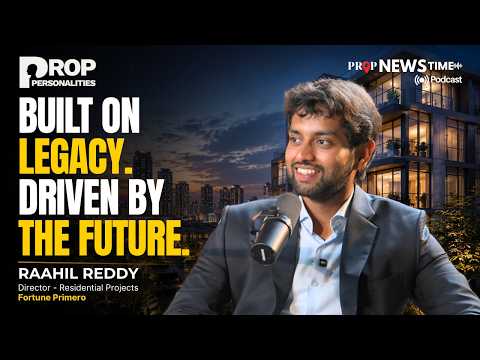
What does it take to preserve a real estate legacy while bui...
What really powers the cloud? Behind every Google search, A...
A lot of what defines a home isn’t visible at handover. I...
The Brihanmumbai Municipal Corporation (BMC) will consider a proposal to lease around 15 acres of land at the former Mulund dumping ground for construction support facilities linked to the Dharavi Redevelopment Project. The site is proposed to house a ready-mix concrete plant, precast casting yard and other temporary infrastructure required during project execution. If approved, the move is expected to streamline construction logistics while making productive use of reclaimed landfill land undergoing environmental restoration.
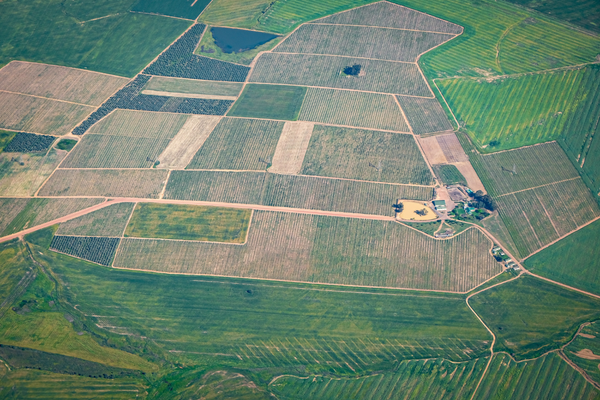
The Brihanmumbai Municipal Corporation is set to examine a proposal that would allow a portion of land at the former Mulund dumping ground to be used for construction-related activities associated with the Dharavi Redevelopment Project. The proposal is expected to be placed before the civic body's relevant committee for approval.
The plan involves leasing approximately 15 acres of reclaimed land to facilitate the establishment of temporary construction infrastructure required for the redevelopment programme. These facilities are expected to include a ready-mix concrete plant, a precast component casting yard and storage areas for construction materials that will support large-scale building activity.
Rather than using space within Dharavi itself, the proposed off-site construction hub is intended to improve the efficiency of project execution. Manufacturing concrete elements and structural components at a dedicated location can reduce congestion at construction sites, improve material supply and help maintain project timelines across multiple redevelopment phases.
The selected land forms part of the former Mulund landfill, where remediation and environmental restoration activities have been progressing over the past few years. Before construction facilities are established, the project developer will be required to prepare the site in accordance with technical and environmental requirements. The use of the land is proposed to be temporary and linked to the duration of redevelopment activities.
The proposal reflects the increasing need for supporting infrastructure as work on the Dharavi Redevelopment Project gathers pace. Given the scale of the project, dedicated facilities for manufacturing and storing construction materials are expected to play an important role in ensuring uninterrupted execution while reducing transportation challenges within the densely populated project area.
The Dharavi Redevelopment Project is one of the largest urban regeneration initiatives currently underway in India, involving the rehabilitation of eligible residents, redevelopment of commercial units and the creation of upgraded civic infrastructure. Given the project's scale, authorities have been identifying suitable land parcels across Mumbai for both rehabilitation housing and construction support facilities to ensure that execution progresses without disrupting ongoing work within Dharavi.
Civic officials believe that establishing a dedicated construction support base away from the redevelopment site will improve operational efficiency throughout the project lifecycle. By producing concrete and precast components at an external facility, heavy construction traffic within Dharavi can be reduced, material supply can be better coordinated and work across multiple construction packages can proceed simultaneously. The arrangement is also expected to help optimise project timelines while minimising logistical constraints in one of the city's most densely populated neighbourhoods.
If approved, the lease will add another critical support facility to Mumbai's largest urban renewal initiative. Alongside the redevelopment of housing and civic infrastructure in Dharavi, the move also demonstrates how reclaimed urban land can be repurposed for infrastructure development while broader environmental restoration efforts continue at former landfill sites.
Advertisement













 Facebook
 Whatsapp
