Advertisement






The Gulf conflict has disrupted global supply chains, pushed...
REITs have changed the way commercial real estate is owned a...

What does it take to preserve a real estate legacy while bui...
What really powers the cloud? Behind every Google search, A...
A lot of what defines a home isn’t visible at handover. I...
The Pune Cantonment Board (PCB) has initiated redevelopment measures for nearly 100 buildings identified as structurally unsafe following safety assessments across the cantonment area. Property owners have been directed to take corrective action, including redevelopment where necessary, to mitigate risks to residents and the public. The move forms part of the board's efforts to improve public safety, address ageing building stock and ensure that structurally vulnerable properties comply with applicable construction and safety regulations.
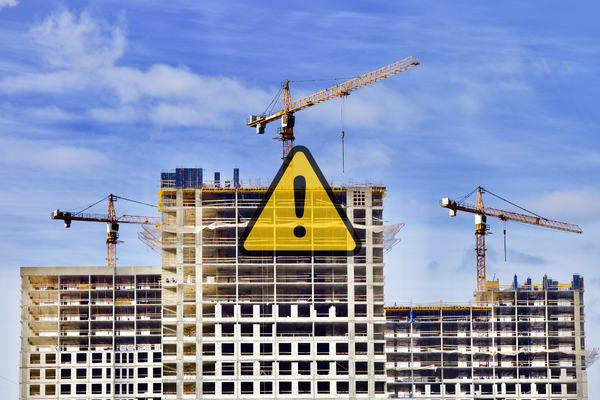
The Pune Cantonment Board (PCB) has begun the process of addressing nearly 100 buildings identified as structurally unsafe by directing owners to initiate redevelopment or undertake other measures necessary to eliminate potential safety hazards. The exercise follows structural assessments carried out across the cantonment area and reflects the board's increasing focus on reducing risks posed by ageing buildings located in densely populated neighbourhoods.
According to officials, the identified structures have been categorised as unsafe based on their present structural condition and the potential threat they pose to occupants as well as members of the public. Property owners have been instructed to take timely action in accordance with the board's directions, with redevelopment emerging as the preferred long-term solution for buildings that can no longer be restored through repairs.
The initiative is intended not only to improve structural safety but also to prevent accidents that could result from the continued occupation of deteriorating buildings. Many structures within the cantonment are several decades old and have experienced prolonged wear, exposure to changing weather conditions and limited structural upgrades over the years. Authorities believe that delaying intervention could increase risks during periods of heavy rainfall or other adverse conditions that place additional stress on weakened buildings.
The board has emphasised that property owners bear the responsibility of ensuring that their buildings remain safe for occupation. Where structures have reached a stage beyond economical or technically viable repair, redevelopment provides an opportunity to replace ageing buildings with modern developments that comply with current building regulations, fire safety requirements and engineering standards.
Redevelopment of older properties is also expected to improve the quality of urban infrastructure within the cantonment. New construction can incorporate updated structural designs, better utility networks, improved accessibility features and enhanced disaster resilience while making more efficient use of available land. At the same time, the board is expected to monitor compliance with its directions to ensure that identified buildings are not allowed to remain in hazardous condition indefinitely.
The issue highlights the broader challenge faced by several Indian cities where ageing residential and commercial buildings require systematic structural evaluation and timely intervention. Local authorities across urban centres have increasingly undertaken safety audits to identify buildings that require repair, evacuation or redevelopment before structural deterioration results in serious incidents.
For residents occupying the identified properties, redevelopment may involve temporary relocation while projects are executed. However, authorities maintain that public safety must remain the primary consideration when dealing with buildings that have been declared unsafe. The board is expected to continue coordinating with property owners and relevant stakeholders to facilitate compliance with its directives.
The redevelopment initiative represents a preventive approach to urban safety by encouraging the replacement of structurally deficient buildings before emergencies occur. By combining regulatory oversight with redevelopment, the Pune Cantonment Board aims to improve the safety, resilience and long-term sustainability of one of the city's oldest urban precincts while ensuring that future development adheres to contemporary construction standards.
Advertisement













 Facebook
 Whatsapp
