Advertisement






What really powers the cloud? Behind every Google search, A...
A lot of what defines a home isn’t visible at handover. I...
Private equity has played a significant role in shaping Indi...
Luxury real estate is one of the most talked-about segments ...
Airports play a much bigger role than just enabling travel -...
Morocco is planning to add 60,000 hotel beds before the 2030 FIFA World Cup as part of a broader strategy to strengthen its tourism sector and improve visitor infrastructure. The expansion will increase the country's hotel capacity by around 20% while complementing large-scale investments in transport, airports, stadiums and urban infrastructure. After becoming Africa's most visited destination last year, Morocco is now targeting 26 million tourists by 2030 by expanding air connectivity, promoting new destinations and positioning Rabat as a major cultural, sports and business hub.
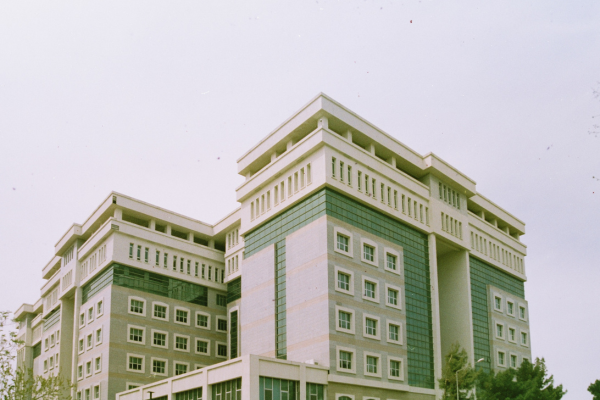
Morocco is planning to increase its hotel accommodation capacity by 60,000 beds before co-hosting the 2030 FIFA World Cup, according to the country's tourism minister. The planned expansion represents nearly one-fifth of Morocco's existing hotel capacity and forms part of a wider strategy to strengthen tourism infrastructure ahead of the global sporting event.
The country will co-host the 2030 FIFA World Cup alongside Spain and Portugal. While the number of matches to be hosted by each country is yet to be finalised, Morocco has already started investing heavily in tourism and public infrastructure to prepare for the tournament.
Tourism Minister Fatim-Zahra Ammor said the government views the 2030 FIFA World Cup as a long-term opportunity to accelerate the country's tourism growth rather than treating it as a standalone event. The minister indicated that the focus is on creating infrastructure and facilities that will continue to benefit the tourism industry well after the tournament concludes.
To support these plans, Morocco is investing more than 190 billion dirhams (approximately USD 20 billion) in rail networks, roads, airports, stadiums and other urban infrastructure. These projects are expected to improve connectivity, enhance visitor experience and strengthen the country's overall tourism ecosystem.
Official data shows Morocco has already added around 45,000 hotel beds over the past four years, taking its total hotel capacity to more than 300,000 beds. The latest expansion plan is expected to further strengthen the country's ability to accommodate the higher number of international visitors anticipated during the World Cup.
The country's tourism sector has witnessed strong growth in recent years, supported by global recognition following Morocco's historic performance at the FIFA World Cup in Qatar, where it became the first African and Arab nation to reach the semi-finals. The achievement significantly increased the country's international visibility and helped strengthen its appeal as a travel destination.
Tourism remains one of Morocco's key economic sectors, contributing around 7% to the country's gross domestic product and supporting hundreds of thousands of jobs. Last year, Morocco welcomed nearly 20 million international tourists, making it the most visited destination in Africa. The government has now set a target of attracting 26 million visitors annually by 2030.
According to Morocco's central bank, tourism revenues are expected to rise from 138 billion dirhams in 2025 to a record 161 billion dirhams in 2027, reflecting continued growth in international travel demand and improved tourism infrastructure.
Improved air connectivity has also played a key role in boosting visitor arrivals, particularly through additional flight routes from Europe. Going forward, the government plans to expand its tourism outreach by increasing direct air links with China, the United States and countries in the Middle East to attract a more diversified visitor base.
Alongside increasing international arrivals, Morocco is also working to spread tourism beyond established destinations such as Marrakech and Agadir. As part of this strategy, the government is positioning the capital city of Rabat as a centre for cultural programmes, sporting events and business tourism by leveraging its historic monuments, museums and modern sports infrastructure.
The planned hotel expansion complements Morocco's broader tourism roadmap, which combines infrastructure development with destination diversification and improved international connectivity. With preparations for the 2030 FIFA World Cup gathering pace, the country is seeking to ensure that investments made today continue to support economic growth, tourism and employment long after the tournament concludes.
Source Reuters
Advertisement













 Facebook
 Whatsapp
