Advertisement






What really powers the cloud? Behind every Google search, A...
A lot of what defines a home isn’t visible at handover. I...
Private equity has played a significant role in shaping Indi...
Luxury real estate is one of the most talked-about segments ...
Airports play a much bigger role than just enabling travel -...
Prime Minister Narendra Modi has dedicated 75 redeveloped railway stations across 20 states to the nation under the Amrit Bharat Station Scheme, redeveloped at a combined cost of approximately INR 1,570 crore. The stations have been transformed into modern, passenger-centric transit hubs that reflect local heritage while incorporating future-ready infrastructure. This marks the second major nationwide dedication under the scheme, after an earlier round covering 103 stations across 18 states and union territories in May 2025.
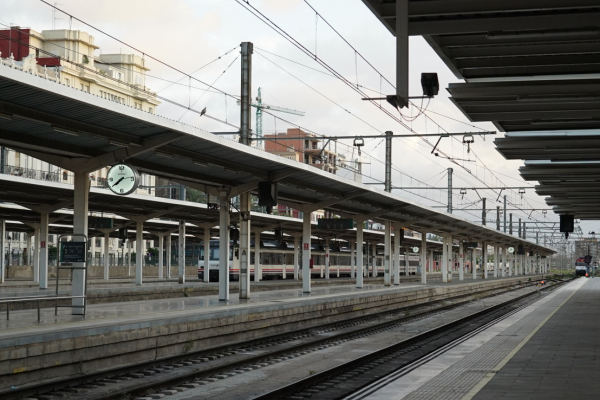
Prime Minister Narendra Modi has inaugurated 75 redeveloped railway stations across 20 states, dedicating them to the nation as part of a broader infrastructure push under the flagship Amrit Bharat Station Scheme. The Ministry of Railways called it the second major nationwide dedication under the scheme, following an earlier round on May 22, 2025, when 103 stations across 18 states and union territories were handed over.
The redeveloped stations have been turned into modern, passenger-focused transit hubs with upgraded amenities, better accessibility, and architecture drawing on local and regional heritage, while building in infrastructure meant to serve future needs. Nationally, the 75 stations were redeveloped at a combined cost of approximately INR 1,570 crore. Railway Minister Ashwini Vaishnaw said each station reflects the story of the region it serves, blending modern amenities with local heritage.
Madhya Pradesh had the largest share of this round, with 13 stations redeveloped, including Sanchi, built around its UNESCO-listed Buddhist heritage, and Chhindwara and Balaghat, which draw on tribal art and forest landscapes. Rajasthan followed with eight stations, among them Jaisalmer, inspired by the Golden Fort, and Dausa, built around fort-and-palace architecture. Kerala had six stations, including Angamali for Kaladi, which serves pilgrims visiting the birthplace of Adi Shankaracharya, while Odisha had seven, including Balangir and Barpali, both reflecting Sambalpuri weaving traditions.
Gujarat, Karnataka, Punjab and Uttar Pradesh each had four or more stations redeveloped. Gujarat's list included Porbandar, celebrating Mahatma Gandhi's legacy, and Pratapnagar, the largest redevelopment in the state in this batch. Karnataka's stations included Badami, inspired by its cave temples, while Punjab's covered Sri Anandpur Sahib and Sri Muktsar Sahib, tied to Sikh heritage. Uttar Pradesh's stations included Vindhyachal, the gateway to the Vindhyavasini Temple, and Aishbagh Junction in Lucknow. Andhra Pradesh, Chhattisgarh, Jharkhand and Tamil Nadu each had three stations covered, while Assam, Bihar, Himachal Pradesh, Telangana and Uttarakhand had one station each, and Haryana and West Bengal had two apiece.
The Amrit Bharat Station Scheme was launched by the Ministry of Railways in December 2022 as a long-term, phased master-planning initiative to redevelop stations into modern city centres rather than one-off facelifts. Redevelopment work has so far been completed at 261 of the 1,340 stations identified under the scheme, with work at the remaining stations progressing in phases. Described as one of the largest station-modernisation programmes in the world, the scheme covers upgrades such as improved station buildings and waiting halls, wider foot-over-bridges, better circulating and parking areas, Divyangjan-friendly access, modern signage and passenger-information systems, and sustainable, city-integrated design where feasible.
With 75 more stations now dedicated to the public, the Amrit Bharat Station Scheme continues to expand its footprint across the country, having completed work at 261 of the 1,340 stations identified under the programme. The scheme's emphasis on tying each station's design to local heritage, from temple architecture to tribal art and agricultural traditions, sets it apart from earlier upgrade efforts focused mainly on functionality. As work continues in phases at the remaining stations, further rounds of dedication are likely in the coming years, gradually reshaping the railway travel experience across India's states and regions.
Source: PIB
Advertisement













 Facebook
 Whatsapp
