Advertisement






The Gulf conflict has disrupted global supply chains, pushed...
REITs have changed the way commercial real estate is owned a...

What does it take to preserve a real estate legacy while bui...
What really powers the cloud? Behind every Google search, A...
A lot of what defines a home isn’t visible at handover. I...
Redevelopment activity is increasing in Nashik as ageing residential buildings are gradually being replaced with newer housing projects. Industry stakeholders attribute the trend to revised development regulations, improved Floor Space Index (FSI) provisions and rising land values, which have made more projects financially viable. With a significant number of older buildings still in use across the city, developers expect redevelopment to remain an important component of Nashik's urban growth and housing supply in the years ahead.
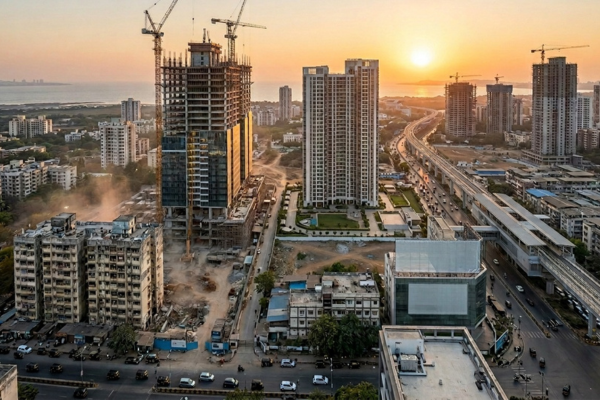
Nashik is witnessing a steady rise in redevelopment activity as ageing residential buildings are increasingly being replaced by modern apartment complexes equipped with contemporary amenities. The shift reflects changing housing preferences, growing safety concerns over older structures and planning reforms that have made redevelopment a more attractive option for both property owners and developers.
According to civic data, redevelopment has accelerated significantly over the past several years, with more than 16,000 ageing properties reconstructed during the last seven years. Most of these structures comprised standalone houses, bungalows and low-rise residential buildings that had reached an age where extensive repairs were either uneconomical or insufficient to meet present-day building standards.
Industry representatives attribute much of this momentum to the introduction of the Unified Development Control and Promotion Regulations (UDCPR) in 2020, which expanded development potential through liberalised Floor Space Index (FSI) provisions, premium FSI and the use of Transferable Development Rights (TDR). These changes have improved project viability and encouraged developers to undertake redevelopment in areas that were previously considered financially unfeasible.
Rising land prices have also played a crucial role in reshaping Nashik's housing landscape. As available land parcels become increasingly scarce within established neighbourhoods, redevelopment has emerged as a practical way to create additional housing supply without expanding the city's footprint. New projects typically offer larger apartments, improved infrastructure, parking facilities, enhanced safety standards and lifestyle amenities that older buildings often lack.
The city still has a considerable inventory of ageing properties that may require redevelopment over the coming decades. Municipal records indicate that tens of thousands of buildings are more than 40 years old, while a substantial number have already crossed the 60-year mark. This ageing building stock presents significant opportunities for urban renewal as demand for newer housing continues to grow.
Developers, however, believe further policy support could accelerate the pace of redevelopment. Industry bodies have sought incentive FSI provisions similar to those available in cities such as Thane and Pune, arguing that higher development potential would improve project economics and encourage the redevelopment of more housing societies across Nashik. The Maharashtra government has indicated that it is examining proposals aimed at facilitating such projects.
Redevelopment has also become a broader priority across Maharashtra, with authorities increasingly focusing on ageing housing layouts and brownfield projects as a means of modernising urban infrastructure while limiting outward urban sprawl. Nashik has emerged as one of the key cities where this strategy is beginning to reshape residential development patterns.
Urban planners note that, if supported by appropriate planning regulations and infrastructure upgrades, redevelopment can improve housing quality, optimise land utilisation and enhance civic amenities without requiring large-scale greenfield expansion. As more housing societies evaluate redevelopment options, the trend is expected to play an increasingly important role in Nashik's long-term urban transformation.
Advertisement













 Facebook
 Whatsapp
