Advertisement






What really powers the cloud? Behind every Google search, A...
A lot of what defines a home isn’t visible at handover. I...
Private equity has played a significant role in shaping Indi...
Luxury real estate is one of the most talked-about segments ...
Airports play a much bigger role than just enabling travel -...
The Railway Board has decided to introduce a revised Wagon Design Policy within 15 days to allow industries to design freight wagons based on their operational requirements. The policy aims to improve efficiency in loading, unloading and transport of commodities such as steel, cement and salt. While industries will be allowed to propose customised designs, safety approvals and prototype certification will remain under RDSO and the Chief Commissioner of Railway Safety, ensuring compliance with technical standards.
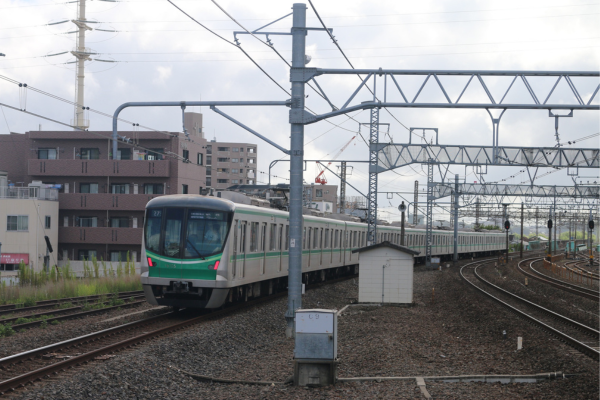
The Railway Board has decided to implement reforms in the Wagon Design Policy to enable greater participation from industries in designing freight wagons suited to their specific transportation needs. The revised policy is expected to be finalised within 15 days, according to information shared by the Ministry of Railways.
The decision was taken during a review meeting chaired by Union Railway Minister Ashwini Vaishnaw, where senior officials including the Minister of State for Railways, Railway Board members and representatives of the Research Designs and Standards Organisation (RDSO) were present. The meeting focused on measures to improve freight efficiency and increase the share of rail in India’s logistics network.
Indian Railways has been in consultation with industry stakeholders and freight customers across sectors to identify operational challenges in transporting various commodities. Industry representatives highlighted that customised wagon designs aligned with specific loading, unloading and handling requirements could improve efficiency and encourage greater use of rail transport.
The ministry noted that the performance of specialised wagons introduced for commodities such as cement and salt has demonstrated the benefits of commodity-specific design. These wagons have improved operational efficiency and reduced handling time, contributing to smoother logistics operations.
Under the proposed policy framework, industries will be allowed to suggest and participate in the development of wagon designs based on their requirements. For example, transportation of steel coils requires specific securing mechanisms and handling systems, while other commodities may require different structural modifications. The revised framework is intended to accommodate such requirements within a structured approval process.
While industries will have greater flexibility in proposing designs, the responsibility for ensuring safety and technical compliance will remain with the Research Designs and Standards Organisation (RDSO) and the Chief Commissioner of Railway Safety (CCRS). All proposed designs will be subject to prototype development and mandatory safety certification before deployment.
Officials stated that the policy is expected to support innovation in freight wagon development and enable the entry of new industry participants into rail-based logistics. It is also aimed at improving the efficiency of freight movement and encouraging a shift from road to rail transport.
The ministry also highlighted the environmental benefits of increasing rail freight, noting that rail transport has significantly lower emissions compared to road transport. With Indian Railways approaching full electrification, increased freight movement through rail is expected to reduce dependence on diesel, lower logistics costs, and contribute to reduced carbon emissions.
The revised Wagon Design Policy is part of broader efforts to modernise freight operations and make the rail network more responsive to industry requirements. The policy is expected to strengthen rail-based logistics and improve integration with industrial supply chains across sectors.
Source - PIB
Advertisement













 Facebook
 Whatsapp
