Advertisement






What really powers the cloud? Behind every Google search, A...
A lot of what defines a home isn’t visible at handover. I...
Private equity has played a significant role in shaping Indi...
Luxury real estate is one of the most talked-about segments ...
Airports play a much bigger role than just enabling travel -...
• Adani Airports has announced a INR 20,000 crore investment to develop integrated airport cities across six airports in five states during the first phase of its expansion strategy.
• The developments will combine commercial, hospitality, retail, entertainment and business infrastructure, transforming airports into economic and urban growth centres.
• Mumbai and Navi Mumbai will account for the largest share of the planned development, while projects will also be undertaken in Ahmedabad, Jaipur, Lucknow and Guwahati.
• Inspired by globally successful airport-city models, the initiative aims to unlock new revenue streams, attract private investment and create employment beyond traditional aviation activities.
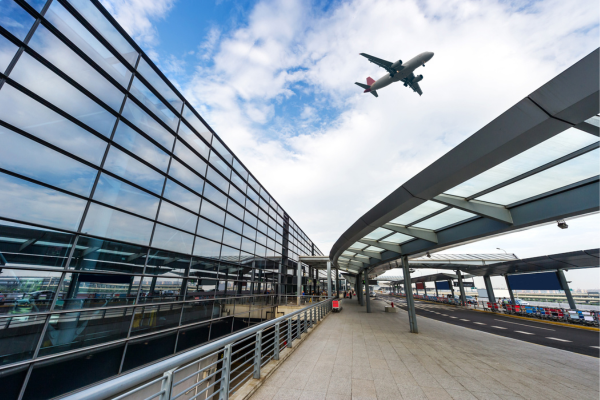
Adani Airports has unveiled an ambitious INR 20,000 crore investment programme to develop integrated airport cities across its airport network, signalling a strategic shift from operating transport infrastructure to creating large-scale urban and commercial ecosystems around aviation hubs.
The first phase of the programme will cover six airports spread across five states Mumbai, Navi Mumbai, Ahmedabad, Jaipur, Lucknow and Guwahati. Together, these projects will span more than 655 acres and are expected to accommodate approximately 22 million square feet of mixed-use development over the coming years. The initiative represents one of the country's largest airport-led urban development plans announced by a private infrastructure operator.
Rather than limiting airports to passenger and cargo operations, the company intends to develop vibrant districts that integrate hotels, office spaces, retail centres, convention facilities, entertainment venues and other commercial infrastructure. This approach follows the globally recognised "airport city" or "aerotropolis" model, where airports function as catalysts for wider economic activity and urban development.
Mumbai and Navi Mumbai are expected to emerge as the largest beneficiaries of the programme, accounting for a substantial share of the planned land development. With Mumbai's aviation ecosystem continuing to expand and Navi Mumbai International Airport entering operations, the region is expected to evolve into a major commercial and logistics destination supported by airport-centric infrastructure.
The proposed developments are designed to serve a diverse mix of businesses and travellers. Corporate offices, hospitality projects, retail destinations and public spaces are expected to complement airport operations while generating additional economic activity. Such integrated developments have become increasingly common at leading international airports, where non-aeronautical revenue contributes significantly to overall airport earnings.
Beyond commercial returns, the investment is expected to stimulate regional economic growth. Construction activities, business expansion and the establishment of new commercial districts are likely to generate employment opportunities across multiple sectors, including real estate, hospitality, logistics, retail and professional services. Improved infrastructure around airport precincts may also encourage further private investment in surrounding areas.
The strategy reflects a broader transformation taking place in India's aviation sector. As passenger traffic continues to rise and airport infrastructure expands, operators are increasingly looking beyond aviation revenues to build sustainable business models. Mixed-use developments surrounding airports are viewed as an important avenue for diversifying income while improving passenger experience and supporting urban growth.
Industry experts believe airport cities can significantly enhance the economic value of aviation infrastructure by creating destinations that remain active beyond flight operations. Their success depends on strong connectivity, integrated planning and the ability to attract businesses seeking proximity to major transport hubs.
For Adani Airports, the INR 20,000 crore programme marks a long-term bet on India's infrastructure-led growth story. By combining airports with commercial, hospitality and urban development, the company aims to transform its aviation assets into multi-functional economic centres that contribute to regional development while strengthening the commercial viability of its airport portfolio.
Source- Adani Newsroom
Advertisement













 Facebook
 Whatsapp
