Advertisement






What really powers the cloud? Behind every Google search, A...
A lot of what defines a home isn’t visible at handover. I...
Private equity has played a significant role in shaping Indi...
Luxury real estate is one of the most talked-about segments ...
Airports play a much bigger role than just enabling travel -...
The National Highways Authority of India (NHAI) has introduced Multi-Lane Free Flow (MLFF) tolling at the Gharaunda toll plaza on the Panipat–Jalandhar stretch of NH-44, further expanding its technology-driven toll collection network. The system enables vehicles to pass through toll points without stopping, using overhead sensors, cameras and FASTag-based electronic toll collection to automatically deduct user charges. Gharaunda becomes the fourth toll plaza in the country to adopt the MLFF system after installations in Gujarat, Delhi and Rajasthan. NHAI said the initiative is aimed at reducing congestion, improving travel efficiency, enhancing fuel savings and promoting safer highway operations, while advising motorists to maintain active FASTag accounts and compliant vehicle registration plates.
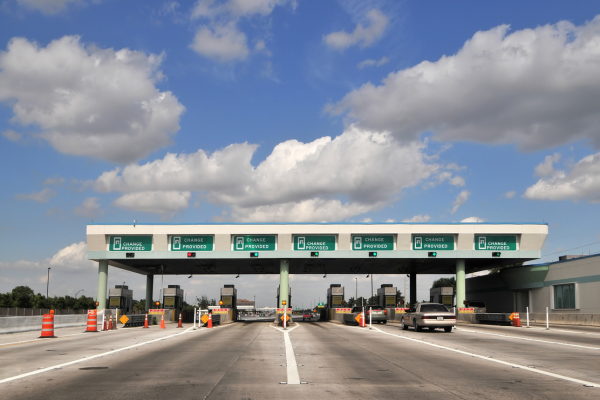
The National Highways Authority of India (NHAI) has operationalised Multi-Lane Free Flow (MLFF) tolling at the Gharaunda toll plaza on the Panipat–Jalandhar section of National Highway-44, marking another step towards barrier-free and technology-enabled toll collection on the country's highway network. The rollout was announced in the past week as part of NHAI's efforts to improve traffic movement and reduce delays at toll plazas.
The MLFF system replaces conventional toll plaza operations by allowing vehicles to travel through designated tolling points without stopping or reducing speed. Instead of physical barriers, the system uses advanced electronic toll collection (ETC) technology supported by high-performance sensors and cameras installed on overhead gantries to identify vehicles and automatically deduct toll charges through FASTag.
According to NHAI, the automated process enables uninterrupted vehicle movement at highway speeds, eliminating queues that typically develop at conventional toll plazas. The authority expects the technology to improve overall traffic flow while reducing travel time for commuters and commercial vehicles.
With the commissioning of the Gharaunda facility, NHAI has now implemented MLFF tolling at four locations across the country. The other operational sites include the Choryasi toll plaza in Gujarat, the Mundka toll plaza in Delhi and the Daulatpura toll plaza in Rajasthan.
The authority stated that expanding the adoption of barrier-free tolling forms part of its broader strategy to modernise India's highway infrastructure through digital technologies. By replacing manual toll collection with automated systems, NHAI aims to improve commuter convenience while increasing operational efficiency across the national highway network.
The authority also said the technology is expected to deliver multiple operational benefits, including shorter journey times, improved fuel efficiency and lower vehicle emissions resulting from uninterrupted traffic movement. In addition, reducing vehicle stoppages at toll plazas is expected to enhance road safety by minimising congestion and improving traffic discipline.
To ensure seamless operation of the MLFF system, NHAI advised motorists to maintain adequate balance in their FASTag accounts and ensure that their FASTags remain active and properly affixed to vehicle windscreens. It also urged vehicle owners to use clearly visible and compliant High Security Registration Plates (HSRPs), enabling cameras and sensors to accurately identify vehicles during toll transactions.
The deployment at Gharaunda represents the latest expansion of NHAI's technology-led tolling programme as the authority continues to introduce automated systems designed to support faster, safer and more efficient travel across India's national highway network.
Source - PTI
Advertisement













 Facebook
 Whatsapp
