Advertisement






The Gulf conflict has disrupted global supply chains, pushed...
REITs have changed the way commercial real estate is owned a...

What does it take to preserve a real estate legacy while bui...
What really powers the cloud? Behind every Google search, A...
A lot of what defines a home isn’t visible at handover. I...
• A total of 46,389 unauthorised properties in Nashik are currently being taxed with penalties, according to Maharashtra Deputy Chief Minister Eknath Shinde.
• The state government has provided eligible property owners an opportunity to regularise their structures under an amnesty scheme.
• The move is aimed at bringing unauthorised developments into the formal system while improving compliance with planning regulations.
• Nashik has witnessed a rise in unauthorised constructions over the years amid rapid urban expansion and growing demand for residential and commercial spaces.
• The initiative is expected to strengthen urban planning, improve municipal records and enhance local revenue collection.
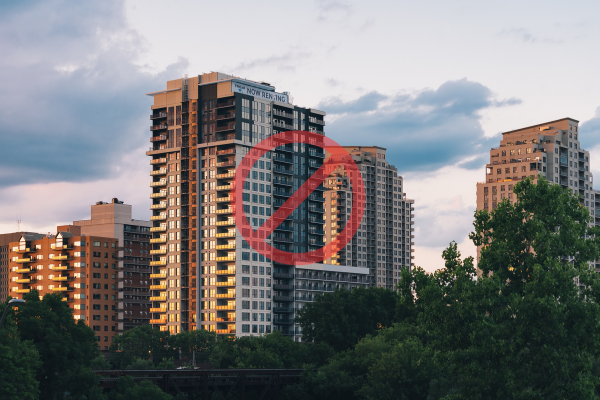
More than 46,000 unauthorised properties in Nashik have been brought under the tax net and are facing penalties as part of the Maharashtra government's efforts to address illegal constructions and improve regulatory compliance in the city.
Maharashtra Deputy Chief Minister Eknath Shinde recently informed that 46,389 unauthorised properties in Nashik are currently being taxed with penalties. He said the state government is simultaneously providing relief through a regularisation mechanism for eligible property owners under its amnesty scheme.
The move forms part of a broader effort to identify unauthorised developments, maintain proper property records and ensure that constructions comply with planning and development norms. Authorities have been working to bring such properties into the formal framework while encouraging owners to complete the necessary approval processes.
Nashik has seen significant residential and commercial growth over the past decade, leading to the emergence of a large number of constructions that were either built without approvals or deviated from sanctioned plans. As the city continues to expand, civic authorities have increased their focus on monitoring such developments and improving compliance.
According to the government, imposing taxes and penalties on unauthorised properties helps local bodies maintain accurate records and generate revenue while the regularisation process is carried out. However, officials have clarified that payment of property tax does not automatically legalise an unauthorised structure. Property owners are still required to fulfil the conditions prescribed under the applicable regularisation provisions.
The amnesty scheme has been introduced to provide eligible property owners with an opportunity to bring their properties into compliance instead of facing prolonged legal and administrative hurdles. Such schemes have been used by the state in the past to address legacy issues related to unauthorised constructions across urban areas.
The issue remains significant for Nashik as the city continues to witness infrastructure expansion, industrial growth and rising housing demand. Urban planners have often stressed that regularisation efforts must be accompanied by stronger enforcement and better planning mechanisms to prevent future violations.
Officials have also emphasised the need for property buyers to verify approvals and permissions before purchasing homes or commercial units, particularly in rapidly developing areas where unauthorised constructions can create legal and financial complications.
Advertisement













 Facebook
 Whatsapp
