Advertisement






What really powers the cloud? Behind every Google search, A...
A lot of what defines a home isn’t visible at handover. I...
Private equity has played a significant role in shaping Indi...
Luxury real estate is one of the most talked-about segments ...
Airports play a much bigger role than just enabling travel -...
• Senior living demand in India is increasingly shifting from traditional retirement and care homes to active ageing communities focused on lifestyle, wellness and independence.
• Experts say today's seniors are healthier, financially independent and looking for social engagement, recreation and better quality of life.
• Developers are responding by creating integrated communities with healthcare access, fitness facilities and community-driven amenities.
• Urban locations are emerging as a preferred choice as seniors want to stay connected to family, healthcare services and city infrastructure.
• The growing elderly population and changing family structures are expected to support long-term growth in the senior living housing segment.
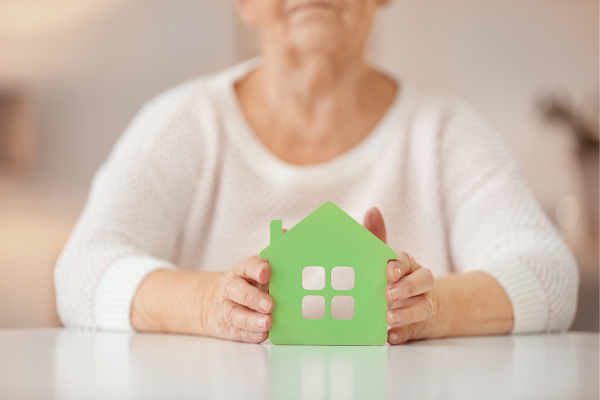
India's senior living housing market is witnessing a clear shift as older homebuyers increasingly move away from conventional old-age care facilities and look for communities that support active, independent and socially connected lifestyles.
Industry experts say senior living is no longer viewed only as a housing solution for people requiring assistance or healthcare support. Instead, it is increasingly becoming a lifestyle-driven residential option for retirees who want to remain active, maintain their independence and enjoy a sense of community during their later years.
According to sector stakeholders, the profile of senior homebuyers has changed significantly over the last few years. Many retirees today are financially secure, healthier and more willing to make independent housing decisions. Rather than prioritising only medical care, they are evaluating projects based on wellness facilities, recreational amenities, social interaction opportunities, security and access to quality healthcare.
Experts noted that active ageing has become one of the biggest drivers of demand in the senior living segment. Residents are seeking communities that offer fitness programmes, hobby clubs, cultural activities, wellness services, community dining spaces and opportunities to engage with like-minded people. The focus has shifted from care-centric living to creating an environment that supports physical, mental and emotional well-being.
The trend is also reshaping how developers approach senior housing projects. Instead of building isolated retirement facilities, developers are increasingly planning integrated communities that combine housing, healthcare services, wellness infrastructure and lifestyle amenities within a single ecosystem. Many projects are now being designed to encourage interaction, mobility and long-term independent living.
Industry experts further highlighted that location has become a key factor in purchase decisions. Seniors increasingly prefer projects within or near major cities rather than remote retirement destinations. Proximity to hospitals, airports, shopping centres and family members is becoming an important consideration for buyers. As a result, several developers are incorporating senior living projects within larger residential townships and mixed-use developments.
The growing demand is being supported by broader demographic and social changes. India's elderly population continues to expand steadily, while nuclear families, urban migration and changing living arrangements are creating greater demand for organised senior housing solutions. These factors are encouraging both developers and investors to explore opportunities in the segment.
Market participants believe there remains a substantial demand-supply gap in the organised senior living sector. While awareness of senior housing has improved considerably in recent years, the availability of professionally managed communities remains limited in comparison to the growing elderly population. This has created significant growth opportunities for developers specialising in the category.
Several real estate companies have already expanded their presence through dedicated senior living projects in cities such as Bengaluru, Chennai, Hyderabad, Pune and the National Capital Region. New launches and partnerships announced in recent months indicate increasing confidence in the sector's long-term potential.
Experts believe the future of senior living in India will be driven by communities that combine housing, healthcare, wellness, security and social engagement. As buyer preferences continue to evolve, senior living is gradually emerging as a specialised residential asset class rather than a niche retirement housing segment.
Advertisement













 Facebook
 Whatsapp
