Advertisement






The Gulf conflict has disrupted global supply chains, pushed...
REITs have changed the way commercial real estate is owned a...

What does it take to preserve a real estate legacy while bui...
What really powers the cloud? Behind every Google search, A...
A lot of what defines a home isn’t visible at handover. I...
Russia’s residential real estate sector is facing mounting pressure as the withdrawal of state-backed mortgage subsidies and elevated borrowing costs weigh on developers and homebuyers alike. The slowdown has led to delays in housing deliveries, rising financial stress among builders, and growing frustration among buyers waiting for possession of their homes. The situation is evident at Moscow’s Ostafyevo housing project, where several purchasers have taken legal action against developer Samolet over repeated delays. The broader downturn is also affecting Russia’s economy, with construction activity weakening despite continued launches of new housing projects.
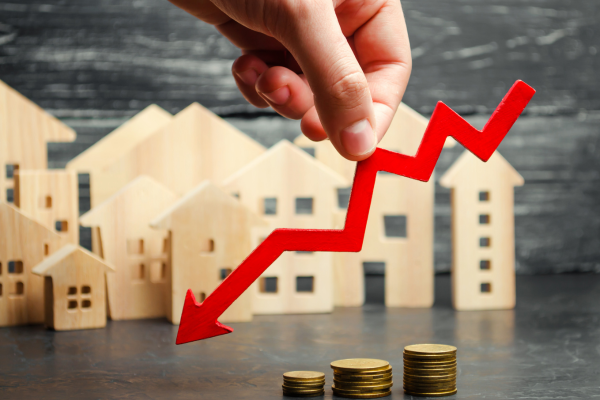
Russia’s housing market is showing signs of strain after a period of rapid growth driven by government-supported mortgage programmes. The sector, which delivered record levels of housing construction in 2023, has been hit by the withdrawal of key subsidies and persistently high interest rates, creating challenges for both developers and homebuyers.
The impact is visible at the unfinished Ostafyevo residential complex on the outskirts of Moscow, where some apartment buyers have complained of repeated delays in receiving possession of their homes. Residents waiting for handover said move-in timelines have been pushed back several times since early 2025. A group of around 20 buyers met representatives of developer Samolet during the past month to seek clarity on the project's progress.
Several buyers questioned the pace of construction, stating that they had seen little visible progress at the site for months. One purchaser shared footage from inside a partially completed apartment showing exposed wiring, unfinished walls and signs of moisture damage.
In response, Samolet said it understood buyers’ concerns and was making efforts to accelerate the handover process. The developer stated that some contractors had been replaced with what it described as more reliable partners, although it did not specify the reasons behind the delays.
The Ostafyevo project is marketed as a large residential community featuring landscaped housing blocks, schools and retail facilities. Apartments are priced from approximately RUB 7.5 million, equivalent to around USD 101,500.
According to Samolet, construction has already been completed in three of the six planned phases, with residents occupying those sections. The company said apartments in the fourth phase and parts of the fifth phase are ready for occupancy, while the remaining units are expected to be handed over gradually by September 30, 2026. The developer maintained that all commitments to customers would be fulfilled.
The challenges at Ostafyevo reflect broader pressures facing Russia’s largest residential developers. Following strong revenue growth during 2023 and 2024, higher financing costs contributed to Samolet reporting a loss in 2025. The company also refinanced part of its debt earlier this year after losing access to certain state subsidy programmes. Its total debt exposure stood at RUB 373 billion, or approximately USD 5 billion, at the end of 2025.
The difficulties extend beyond a single developer. Official data showed that the volume of completed residential space across Russia fell 28% year-on-year during the first quarter of 2026. Russia’s largest lender, Sberbank, also warned that construction activity had effectively stagnated during the period.
The slowdown is adding pressure to the wider economy. Russia’s economy contracted during the first quarter, marking its first decline in around three years. Construction and related industries accounted for approximately 13% of the country’s gross domestic product in 2025, underlining the sector’s importance to overall economic activity.
The Russian central bank noted in its recent financial stability review that requests for loan restructuring from construction and real estate companies increased by 10% during the first quarter compared with the previous quarter. While the regulator acknowledged challenges faced by some developers, it stated that the issues remained limited and did not pose systemic risks to the financial system.
The central bank also highlighted some positive indicators. New housing project launches increased by 37% year-on-year during the first quarter. It further noted that delays in housing completions had declined after a moratorium preventing buyers from seeking penalties for missed deadlines expired at the beginning of the year.
However, frustration among affected buyers remains high. Several Ostafyevo purchasers said they had filed legal cases against the developer once the moratorium ended. Buyer Elena Skripnichenko said many residents had taken legal action, including herself.
She also claimed that some buyers had entered the construction site and spoken with workers, who allegedly said they had not received payments. During discussions with buyers, a Samolet representative reportedly stated that workers were being paid, although possibly not at the level they expected. The company did not directly address questions regarding worker payments or the number of lawsuits filed by buyers.
Industry sentiment remains cautious despite signs that labour shortages may be easing. A survey conducted by Russia’s state housing agency during the past month found that nearly 75% of developers failed to meet their first-quarter sales targets, while more than half expected market conditions to deteriorate further over the next year.
For many buyers, the uncertainty continues. Tatyana Lubentsova, who had planned to move into her new apartment with her family after relocating from Belgorod near the Ukrainian border, said they were still waiting to receive the keys to their home more than a year after the expected handover date.
Source Reuters
Advertisement













 Facebook
 Whatsapp
