Advertisement






What really powers the cloud? Behind every Google search, A...
A lot of what defines a home isn’t visible at handover. I...
Private equity has played a significant role in shaping Indi...
Luxury real estate is one of the most talked-about segments ...
Airports play a much bigger role than just enabling travel -...
More than 2,200 sewer manholes across Mumbai remain without protective grills despite the Brihanmumbai Municipal Corporation's monsoon preparedness deadline having passed. The disclosure comes days after a fatal manhole accident in Saki Naka and amid scrutiny from the Bombay High Court over civic safety measures. The pending installations, delayed by road concreting works and logistical constraints, have raised concerns over urban infrastructure maintenance, public safety and the city's preparedness during the ongoing monsoon. The BMC has now set July 26 as the revised completion deadline.
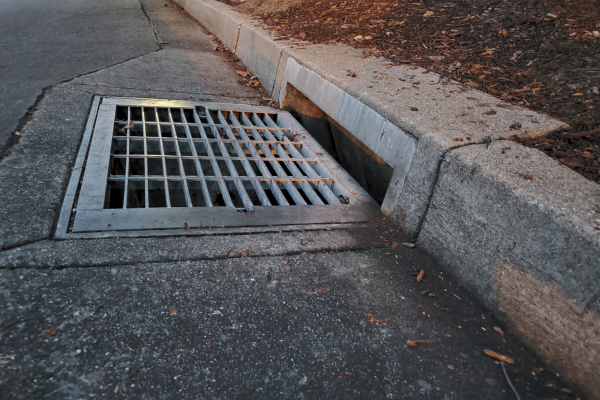
More than 2,200 sewer manholes across Mumbai are yet to be fitted with protective grills despite the Brihanmumbai Municipal Corporation (BMC) missing its own pre-monsoon deadline, highlighting continuing gaps in the city's civic infrastructure and public safety measures. The disclosure follows the death of a 55-year-old man who fell into an open manhole in Saki Naka during heavy rainfall in the past week and comes amid increased judicial scrutiny over the city's monsoon preparedness.
According to BMC records, 2,205 sewer manholes still require protective grills or covers. The civic body had directed that all installations be completed by May 31 under its annual monsoon preparedness programme. However, officials have now extended the deadline to July 26 after informing the Bombay High Court that the remaining work would be completed within weeks.
The highest number of pending installations is in C ward, covering Kalbadevi and Bhuleshwar, where 637 manholes remain without protective grills. Other affected areas include A ward with 352 pending installations, E ward with 242, M West ward with 228 and N ward with 200. Civic officials said the concentration of manholes on narrow, heavily trafficked roads has slowed installation work, which can largely be carried out only during night-time traffic windows.
BMC officials attributed the delay primarily to ongoing road concreting works across the city. According to civic authorities, ward offices could begin installing protective grills only after the completion of road works, which concluded around the original deadline. They also cited traffic management constraints that have affected execution in densely populated neighbourhoods.
The issue gained urgency following the Saki Naka incident, where investigations found that protective grill installation was being carried out without a formal work order or adequate site supervision. CCTV footage showed the worksite lacked barricades and warning signs. Following the incident, the BMC suspended four officials, initiated disciplinary action against the contractor and launched a high-level inquiry into the lapses.
The Bombay High Court has also questioned the civic body's handling of open manholes, criticising its compliance measures and directing authorities to strengthen safeguards. Responding to the concerns, Municipal Commissioner Ashwini Bhide said the BMC would advance annual manhole inspections to January from next year instead of the usual March-April schedule. She also stated that all manholes have been geotagged and that the civic body intends to strengthen monitoring at the ward level to prevent similar incidents.
Mumbai has approximately 73,437 sewer manholes, of which 68,619 already have covers. Another 1,583 are currently buried or inaccessible, while work on the remaining installations is underway. The pending safety measures have renewed attention on civic infrastructure maintenance and risk management during the monsoon season.
Advertisement













 Facebook
 Whatsapp
