Advertisement






What really powers the cloud? Behind every Google search, A...
A lot of what defines a home isn’t visible at handover. I...
Private equity has played a significant role in shaping Indi...
Luxury real estate is one of the most talked-about segments ...
Airports play a much bigger role than just enabling travel -...
The Delhi Forest Department has approved the transplantation of 1,049 trees and the felling of 42 trees for the redevelopment of the General Pool Residential Accommodation (GPRA) colony in Sarojini Nagar. The approval, granted under the Delhi Preservation of Trees Act, 1994, requires NBCC to transplant the trees, undertake compensatory plantation of 10,910 indigenous saplings at Bharat Vandana Park in Dwarka and comply with the Tree Transplantation Policy, 2020. The clearance also mandates geo-tagged documentation, annual monitoring and additional plantation if transplanted trees fail to survive. Environmental groups have criticised the decision, raising concerns over tree survival rates, biodiversity loss and transparency in monitoring.
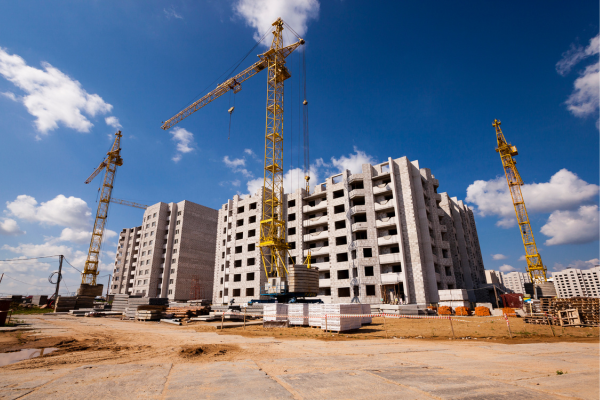
The Delhi Forest Department has granted permission to NBCC to transplant 1,049 trees and fell 42 trees for the redevelopment of the General Pool Residential Accommodation (GPRA) colony in Sarojini Nagar. The approval, issued in the past month under Section 9 of the Delhi Preservation of Trees Act, 1994, follows scrutiny of the proposal and site inspections conducted by the designated tree officer.
According to the official order, the number of trees affected by the redevelopment project was reduced during the approval process. The original proposal involved 1,218 trees, but 48 were subsequently found to be outside the project boundary. The Central Empowered Committee (CEC) later directed that another 79 trees be retained, reducing the final number of affected trees to 1,091. Of these, permission has been granted to transplant 1,049 trees, while 42 trees will be felled.
The order directs NBCC to transplant all approved trees to Bharat Vandana Park in Dwarka and undertake compensatory plantation of 10,910 indigenous saplings at the same location. The agency has also been instructed to comply with the Tree Transplantation Policy, 2020, upload geo-tagged photographs of the transplantation process on the Forest Department's online portal and submit annual progress reports to the tree officer.
The permission includes several environmental safeguards. It specifies that no tree containing active nests of birds, squirrels or snakes may be transplanted or felled until the nests have been abandoned. NBCC has also been directed to implement soil moisture conservation measures at the transplantation site and ensure that trees retained within the project area are protected during construction activities.
The Forest Department further stated that if transplanted trees fail to survive, NBCC will be required to plant indigenous tree species with a minimum stem diameter of six inches at a replacement ratio of 1:5 at its own cost. The agency must also submit a completion report to the tree officer. The permission will remain valid for two years and may be extended by one additional year on valid grounds. The order also requires compliance with directions issued by the courts, the National Green Tribunal (NGT) and the Commission for Air Quality Management (CAQM), along with all other statutory approvals before transplantation or felling begins.
The approval has drawn criticism from environmental groups. Activist Bhavreen Kandhari questioned the long-term survival of transplanted trees and argued that mature trees should be treated as essential public infrastructure rather than obstacles to development. She also raised concerns over the lack of transparent monitoring of transplanted trees. Verhaen Khanna of the New Delhi Nature Society similarly questioned the effectiveness of compensatory plantation, stating that Delhi already faces severe air pollution and rising temperatures, making the preservation of mature tree cover increasingly important.
Source - PTI
Advertisement













 Facebook
 Whatsapp
