Advertisement






The Gulf conflict has disrupted global supply chains, pushed...
REITs have changed the way commercial real estate is owned a...

What does it take to preserve a real estate legacy while bui...
What really powers the cloud? Behind every Google search, A...
A lot of what defines a home isn’t visible at handover. I...
• Five years after Greater Noida Authority launched its Smart Village initiative, several participating villages continue to struggle with damaged internal roads and incomplete civic infrastructure.
• Residents say deteriorating roads, waterlogging and poor connectivity have persisted despite repeated assurances and allocations for village development.
• While the Authority maintains that infrastructure upgrades are being implemented in phases, locals argue that progress has been uneven across villages.
• The situation has renewed concerns over the pace of rural infrastructure development in rapidly urbanising parts of the National Capital Region.
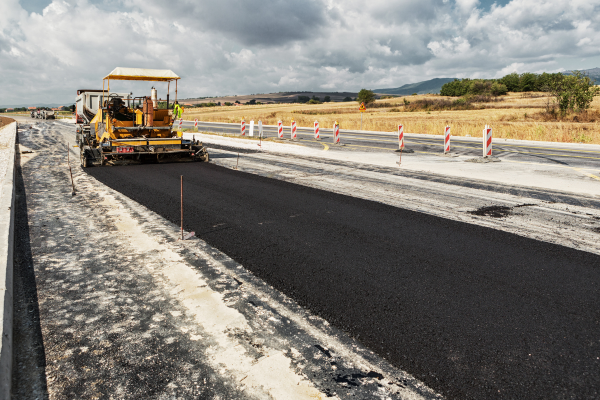
Greater Noida's Smart Village programme was envisioned as a model for transforming rural settlements into well-equipped urban communities. However, five years after the initiative was rolled out, many villages selected under the scheme continue to grapple with crumbling roads that have become a daily challenge for residents. The gap between the project's ambitions and on-ground conditions has prompted fresh criticism from villagers seeking faster execution of long-promised infrastructure works.
Several villages included in the Smart Village programme report that internal roads remain riddled with potholes, damaged stretches and uneven surfaces. During the monsoon, these roads become difficult to navigate as rainwater accumulates in low-lying areas, affecting both vehicular movement and pedestrian access. Residents say poor road conditions also hamper emergency services and public transport connectivity.
The Smart Village initiative was launched by the Greater Noida Industrial Development Authority (GNIDA) to improve civic infrastructure in villages falling within its jurisdiction. The programme aimed to upgrade roads, drainage networks, sanitation, public spaces, digital infrastructure and community facilities while preserving the rural character of these settlements.
Villagers contend that although some development works have been undertaken, road infrastructure has not kept pace with the area's rapid urban expansion. Many of these villages are now surrounded by residential sectors, industrial clusters and commercial developments, increasing traffic movement and accelerating road deterioration. Residents argue that existing roads were never designed to handle the present volume of vehicles.
Local representatives have repeatedly urged the Authority to prioritise reconstruction rather than temporary repairs. According to residents, patchwork maintenance offers only short-term relief, with damaged stretches reappearing after heavy rainfall or continuous traffic movement. They have also sought better coordination between road construction, drainage installation and utility works to prevent repeated digging of newly repaired roads.
Officials from the Greater Noida Authority have stated that infrastructure development under the Smart Village programme is being implemented in phases based on technical assessments and budgetary approvals. The Authority has maintained that road improvement works are part of ongoing development plans and that pending projects will be executed progressively across the identified villages.
The continued demand for better roads highlights the broader challenge of ensuring that rural settlements are not left behind as Greater Noida expands. While the Smart Village initiative has laid out an ambitious development framework, residents say its success will ultimately be measured by timely delivery of basic civic infrastructure that directly impacts everyday life.
Advertisement













 Facebook
 Whatsapp
