Advertisement






The Gulf conflict has disrupted global supply chains, pushed...
REITs have changed the way commercial real estate is owned a...

What does it take to preserve a real estate legacy while bui...
What really powers the cloud? Behind every Google search, A...
A lot of what defines a home isn’t visible at handover. I...
• The Ahmedabad Municipal Corporation (AMC) has identified nearly 220 recently rebuilt roads as vulnerable to cave-ins following multiple road collapses during the ongoing monsoon, raising concerns over the quality of restoration work after underground utility projects.
• The issue gained attention after a 20-foot-deep cave-in on a newly reconstructed RCC road in Satellite, where a parked car fell into the excavation pit, prompting the civic body to inspect road stretches restored after pipeline, drainage, electricity and telecom utility works.
• AMC has launched inspections and directed agencies to strengthen restoration practices and improve coordination during utility works, while experts have called for stricter quality control, proper trench compaction and enhanced monitoring to ensure road safety and prevent similar incidents during the monsoon.
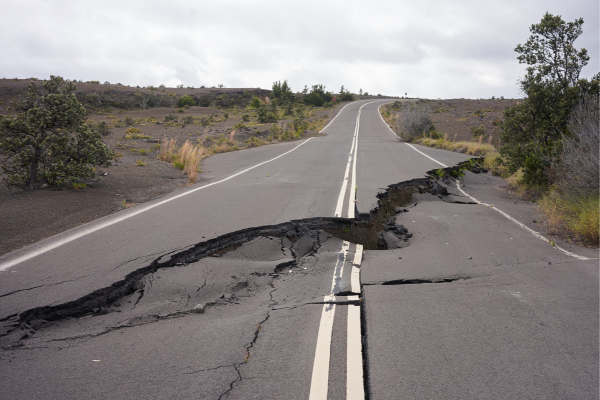
Fresh concerns over the quality and durability of Ahmedabad's urban road infrastructure have surfaced after fears of cave-ins spread across nearly 220 recently rebuilt roads during the ongoing monsoon season. A series of road collapses and surface failures following heavy rainfall has prompted the Ahmedabad Municipal Corporation (AMC) to intensify inspections and review the quality of road restoration works carried out after underground utility projects. The issue has highlighted growing concerns over coordination between civic agencies and utility providers responsible for excavating and reinstating roads.
The concern gained momentum after a major cave-in occurred on a recently reconstructed RCC road in Satellite, where a parked car plunged into a nearly 20-foot-deep excavation pit that had reportedly weakened following continuous rainfall. Although no injuries were reported, the incident raised serious questions about the quality of restoration work and the structural stability of roads reconstructed after underground infrastructure projects. The collapse also triggered public concern regarding the safety of several other roads that had undergone similar reconstruction.
According to civic officials, approximately 220 roads across Ahmedabad have recently been rebuilt after excavation for utilities such as water pipelines, drainage systems, gas pipelines, electricity cables and telecommunications infrastructure. Many of these stretches are now under close observation due to concerns that improper compaction, inadequate backfilling or poor-quality restoration may increase the risk of cave-ins, particularly during periods of intense rainfall when underground soil becomes saturated.
The Ahmedabad Municipal Corporation has initiated inspections of vulnerable road sections and instructed departments responsible for excavation and restoration to ensure that prescribed engineering standards are strictly followed. Officials have also emphasised better coordination among civic departments and utility agencies to prevent repeated digging of newly resurfaced roads and ensure proper supervision during reinstatement work. The objective is to minimise road failures while improving the longevity of urban infrastructure investments.
Experts note that road cave-ins often occur when underground trenches are inadequately compacted after utility work. During the monsoon, rainwater seeps into these weakly restored sections, washing away loose soil beneath the road surface and creating underground voids that eventually lead to sudden collapses. The increasing complexity of underground utility networks in rapidly growing cities has made proper trench restoration an essential component of urban infrastructure management.
The latest incidents have also renewed public debate over the need for greater accountability in road restoration projects. Residents have questioned why newly rebuilt roads are experiencing failures within a short period of completion despite substantial public expenditure on reconstruction. Civic groups have called for independent quality audits, stricter contractor accountability and improved monitoring mechanisms to ensure infrastructure durability.
Ahmedabad has experienced heavy rainfall over recent days, exposing multiple weaknesses in urban infrastructure, including potholes, waterlogging and road collapses. Municipal authorities have deployed engineering teams to monitor vulnerable locations, carry out emergency repairs and address complaints from residents. Officials have assured citizens that corrective measures will be undertaken wherever restoration deficiencies are identified and that safety remains the administration's priority during the monsoon season.
Urban infrastructure specialists believe the current situation underscores the importance of adopting integrated road management practices that combine high-quality construction with coordinated utility planning. By improving engineering standards, enforcing strict restoration protocols and strengthening inter-agency collaboration, Ahmedabad can reduce the recurrence of cave-ins and ensure safer, longer-lasting roads capable of withstanding increasingly intense monsoon conditions.
Advertisement













 Facebook
 Whatsapp
