Advertisement






The Gulf conflict has disrupted global supply chains, pushed...
REITs have changed the way commercial real estate is owned a...

What does it take to preserve a real estate legacy while bui...
What really powers the cloud? Behind every Google search, A...
A lot of what defines a home isn’t visible at handover. I...
A 51-year-old pedestrian died after a third-floor balcony of a MHADA cessed building collapsed in Walkeshwar, South Mumbai, amid the monsoon. The incident has renewed concerns over the structural condition of ageing cessed buildings and the pace of repairs and redevelopment. Civic authorities have launched an investigation, while the tragedy has drawn attention to the risks posed by deteriorating building infrastructure during the rainy season.
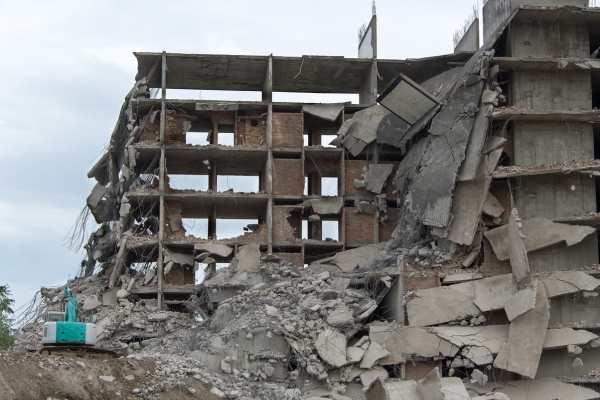
A 51-year-old pedestrian was killed after a portion of the third-floor balcony of a MHADA cessed building collapsed in Walkeshwar, South Mumbai, late in the past week. The incident occurred at Surya Prakash Building on Babulnath Road, where the victim, identified as Santosh Ramchandra Bharaskar, was struck by falling debris while passing the building. The collapse has once again highlighted concerns over the structural safety of Mumbai's ageing building stock during the monsoon season.
According to officials, the building is a ground-plus-three-storey structure under the jurisdiction of the Maharashtra Housing and Area Development Authority (MHADA). The balcony gave way at around 11.22 pm, prompting an emergency response from the Mumbai Fire Brigade, Brihanmumbai Municipal Corporation (BMC), Mumbai Police, BEST personnel, the 108 ambulance service and local ward officials. Bharaskar, who worked at a nearby petrol pump, was rescued from the debris and taken to Sir J. J. Hospital, where he was declared brought dead.
Authorities have initiated an investigation to determine the exact cause of the collapse. Preliminary reports indicate that the building was a cessed property, a category of old privately owned buildings that pay a cess to MHADA for repairs and redevelopment. Many such buildings in South Mumbai were constructed decades ago and require continuous structural maintenance, particularly during periods of heavy rainfall.
The incident has intensified scrutiny of the city's ageing housing infrastructure. According to the latest list released by the BMC for the current monsoon, 174 buildings across Mumbai have been classified as Category C1, indicating that they are structurally dangerous and require immediate evacuation or demolition. Civic officials have repeatedly urged occupants of such buildings to relocate before the peak monsoon period to minimise risks to life and property.
The Walkeshwar incident was also reported as the second monsoon-related fatality in Mumbai within 24 hours. Heavy rainfall has increased pressure on ageing structures across the city, particularly in South Mumbai, where several cessed buildings continue to await redevelopment or major structural repairs. Experts have consistently highlighted that prolonged water ingress accelerates the deterioration of masonry, timber and steel components in older buildings, increasing the likelihood of partial collapses during the rainy season.
The latest accident is expected to renew attention on the condition of Mumbai's ageing building stock and the need for timely structural audits, repairs and redevelopment of vulnerable cessed properties. Civic authorities have stated that investigations into the Walkeshwar collapse are ongoing and appropriate action will be taken based on the findings.
Advertisement













 Facebook
 Whatsapp
