Advertisement






What really powers the cloud? Behind every Google search, A...
A lot of what defines a home isn’t visible at handover. I...
Private equity has played a significant role in shaping Indi...
Luxury real estate is one of the most talked-about segments ...
Airports play a much bigger role than just enabling travel -...
Australia’s housing market recorded its steepest monthly decline in more than three years as higher borrowing costs, affordability pressures and changes to property taxation weakened buyer demand. Home prices fell across major cities, particularly Sydney and Melbourne, while mortgage demand, auction clearance rates and housing turnover also declined. Despite the recent correction, home values remain above year-ago levels following a strong multi-year rally. The slowdown is expected to have broader implications for Australia’s economy, with the Reserve Bank closely monitoring risks to consumption and housing activity.
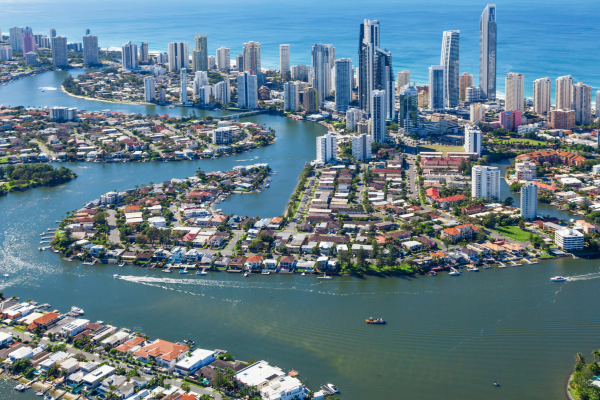
Australia's housing market recorded its sharpest monthly fall in more than three years during June, as higher interest rates, affordability challenges and recent tax changes on investment properties weighed on buyer demand. The decline marks a significant shift after years of strong price growth, with major cities leading the market correction.
According to property analytics firm Cotality, national home prices fell 0.4% in June compared with May, the biggest monthly decline since December 2022. Although home prices remained 7.3% higher than a year earlier, revised data showed the market had likely reached its peak in March, with prices declining 0.7% during the second quarter.
Sydney and Melbourne recorded the largest monthly declines, with home prices falling 1.2% and 1%, respectively. Growth also slowed across Australia's mid-sized capital cities. Adelaide's market remained flat, while Brisbane recorded a modest 0.3% increase and Perth posted a 0.7% rise.
The correction follows a prolonged housing boom during which national property prices climbed by more than 30% over the past five years. The market had remained resilient despite the COVID-19 pandemic, aggressive monetary tightening and rising borrowing costs.
Cotality's Research Director Tim Lawless said affordability pressures had already begun affecting buyer demand even before the Reserve Bank of Australia's latest interest rate increases. He noted that rising living costs, weak consumer confidence and property taxation measures announced in the federal budget had further reduced demand across the housing market.
The Reserve Bank of Australia stated earlier this week that housing market conditions had eased and housing credit growth was expected to slow as the impact of its three interest rate increases since February continued to pass through the economy. The central bank also warned that a more significant weakening in the housing market could affect household spending and overall economic activity.
Fresh lending data pointed to softer demand from home buyers. Credit reporting agency Equifax reported that mortgage demand declined 6.6% during the five months to May compared with the same period a year earlier, a notable deterioration from the 0.9% decline recorded during the first four months of the year. Enquiries from first-home buyers dropped 9.1%, indicating that affordability challenges continue to affect new entrants into the market.
Market activity also weakened. Auction clearance rates across Australia's capital cities fell to 47.4% during the past week, the lowest level since April 2020, when COVID-19 lockdowns disrupted the property market. Home sales across capital cities during the June quarter were 16.2% lower than the corresponding period last year, reflecting weaker buyer participation.
Separate data released by PropTrack also indicated continued weakness in the market. The property platform reported that national home prices declined 0.3% in June, marking the third consecutive monthly fall. However, prices remained 5.8% higher than a year earlier, suggesting that despite the recent slowdown, much of the gains from previous years are still intact.
Source Reuters
Advertisement













 Facebook
 Whatsapp
