Advertisement






The Gulf conflict has disrupted global supply chains, pushed...
REITs have changed the way commercial real estate is owned a...
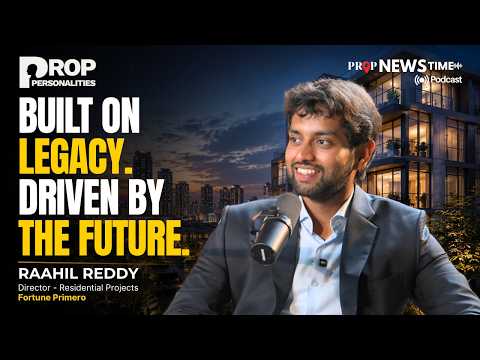
What does it take to preserve a real estate legacy while bui...
What really powers the cloud? Behind every Google search, A...
A lot of what defines a home isn’t visible at handover. I...
As Hyderabad continues to witness rapid urban expansion through new residential projects, commercial districts and lifestyle destinations, sustainability must become a central consideration in the city’s development trajectory, according to Jaya Pavan Gummadi, Managing Director of Prosperiti Homes. Marking World Environment Day, Gummadi highlighted the need for climate-conscious urban planning that addresses heat management, water conservation, waste handling, green spaces and overall liveability. He also emphasised the role of community engagement in advancing environmental awareness through Positive Planet, a sustainability-focused podcast and content platform. The initiative seeks to bring local experts and practitioners into conversations around responsible consumption, recycling, composting and circular economy practices, while encouraging residents and businesses to adopt environmentally conscious habits in their daily lives.

Hyderabad’s ongoing urban expansion must be guided by sustainability, resource efficiency and long-term liveability if the city is to meet the expectations of future generations, according to Jaya Pavan Gummadi, Managing Director of Prosperiti Homes. Speaking on the occasion of World Environment Day, Gummadi said the city’s growth presents an opportunity to integrate climate-conscious practices into residential development, community planning and everyday living.
The city has experienced significant growth in recent years, with new housing developments, commercial corridors and lifestyle destinations emerging across multiple micro-markets. While this expansion has created economic opportunities and improved urban infrastructure, it has also increased the need to address challenges related to rising temperatures, water management, waste generation, environmental protection and the preservation of open spaces.
Gummadi noted that urban development should be assessed not only through the scale of construction activity but also through its impact on residents, neighbourhoods and natural resources. He stated that every building influences the people living within it, the surrounding community, the resources it consumes and the broader urban environment of which it becomes a part. According to him, responsible construction requires equal consideration of comfort, health, accountability and long-term sustainability.
He further observed that sustainability should be reflected in practical aspects of residential living. Homes, he said, should be designed to remain comfortable during extreme summer conditions, support better air quality, encourage efficient water use, incorporate greenery and minimise environmental impact while creating healthier neighbourhoods over time.
Beyond his role in real estate, Gummadi has sought to promote environmental awareness through Positive Planet, a sustainability-focused podcast and content platform. The initiative features discussions with experts, practitioners and community stakeholders on subjects including waste management, composting, recycling, circular economy principles, green living and responsible consumption.
According to Gummadi, the platform aims to make sustainability discussions more relevant to local communities by highlighting perspectives from individuals who understand Hyderabad’s neighbourhoods, climate patterns, civic systems and daily challenges through lived experience. He said the objective is to translate expert knowledge into practical information that residents, families, businesses and communities can apply in their everyday lives.
The entrepreneur also highlighted the growing interest among homebuyers in factors such as air quality, open spaces, heat resilience, water security, maintenance standards and long-term value retention. He suggested that increasing awareness of these issues is contributing to a broader shift towards climate-conscious housing preferences and more responsible development practices within the residential sector.
Reflecting on the significance of World Environment Day, Gummadi said climate-conscious development often begins with everyday decisions at the household and community level. Features such as shaded common areas, natural ventilation, responsible waste management systems and efficient resource use can collectively contribute to more sustainable urban environments. He added that developers, residents and communities all share responsibility for ensuring that future growth supports both people and the environment.
Source - PTI
Advertisement













 Facebook
 Whatsapp
