Advertisement






What really powers the cloud? Behind every Google search, A...
A lot of what defines a home isn’t visible at handover. I...
Private equity has played a significant role in shaping Indi...
Luxury real estate is one of the most talked-about segments ...
Airports play a much bigger role than just enabling travel -...
The Centre has announced plans to roll out between 50 and 100 ethanol fuel dispensing stations across Delhi-NCR, Mumbai, Pune and Nagpur as part of efforts to reduce dependence on imported fossil fuels. Petroleum and Natural Gas Minister Hardeep Singh Puri said the network is expected to expand to 500 stations by the end of 2026 and further to 5,000 outlets by the end of 2027. The announcement coincided with the launch of India’s first flex-fuel car by Maruti Suzuki. The government is also moving to widen the use of higher ethanol blends and alternative fuels through proposed amendments to vehicle emission norms. Officials said increased adoption of flex-fuel vehicles could generate substantial additional ethanol demand and boost farmer incomes while lowering crude oil imports and carbon emissions.
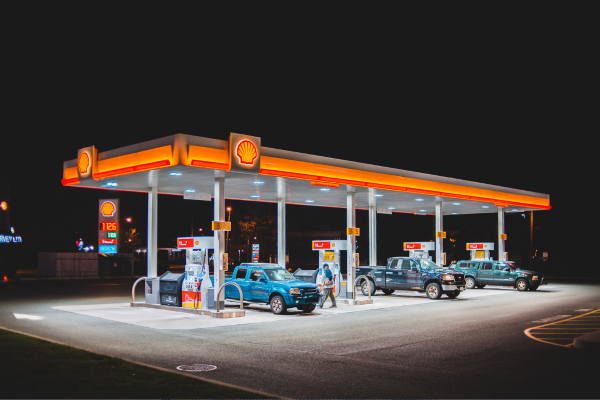
The Centre plans to establish 50-100 ethanol fuel dispensing stations across Delhi-NCR, Mumbai, Pune and Nagpur in the coming phase of its biofuel expansion programme, with Petroleum and Natural Gas Minister Hardeep Singh Puri stating on Thursday that the initiative is aimed at reducing India's dependence on imported fossil fuels and supporting the wider adoption of ethanol-powered vehicles.
Speaking on the sidelines of the launch of India’s first flex-fuel passenger vehicle by Maruti Suzuki, Puri said the initial network of ethanol dispensing stations would be expanded significantly over the next two years. He indicated that the number of ethanol fuel stations was expected to rise to around 500 by the end of 2026 and further increase to approximately 5,000 by the end of 2027.
The minister noted that enabling vehicles compliant with Bharat Stage VI emission standards to operate on E100 fuel could further reduce the country's reliance on fossil fuel imports. He pointed out that India’s annual fossil fuel import bill stands at around USD 120 billion.
Addressing concerns over rising energy procurement costs, Puri said oil marketing companies continue to face financial pressure due to higher crude oil, natural gas and LPG purchase prices while maintaining lower retail fuel prices for consumers. According to him, state-run fuel retailers are currently incurring losses of around INR 500-550 crore per day.
The minister also highlighted India's energy supply situation amid geopolitical tensions affecting West Asia. He stated that nearly 60 per cent of the country's LPG imports and 90 per cent of crude oil imports arrive through the Strait of Hormuz. Referring to developments following the US and Israeli attacks on Iran in late February, he said there had been no fuel shortages or supply disruptions across the country during the subsequent months. He added that certain individuals had attempted to create panic by circulating misinformation and fostering perceptions of artificial shortages despite adequate supplies being maintained.
Puri further stated that India ranks among the countries with the lowest increase in fuel prices globally, second only to Japan.
Highlighting the economic benefits of flex-fuel adoption, the minister said that if half of all newly manufactured two-wheelers and four-wheelers become flex-fuel compliant, the country could generate an additional demand of 311.8 crore litres of ethanol. Such a shift, he said, could result in an additional INR 12,403 crore income for farmers.
The minister noted that India has increased ethanol blending in petrol from 1.5 per cent in 2014 to 20 per cent at present. This has helped save approximately INR 1.84 lakh crore in foreign exchange through the replacement of 302 lakh metric tonnes of crude oil.
Supporting this transition, the Ministry of Road Transport and Highways has proposed amendments to the Central Motor Vehicles Rules, 1989. The draft provisions seek to broaden the use of alternative fuels, including E85, E100, B100 biodiesel and hydrogen-CNG blends, enabling the introduction of flex-fuel and pure biofuel vehicles across multiple vehicle categories.
India has already achieved its target of 20 per cent ethanol blending in petrol, with ethanol derived from biomass sources such as sugarcane, maize and rice being used to reduce crude oil imports while lowering vehicle emissions.
Source - PTI
Advertisement













 Facebook
 Whatsapp
