Advertisement






What really powers the cloud? Behind every Google search, A...
A lot of what defines a home isn’t visible at handover. I...
Private equity has played a significant role in shaping Indi...
Luxury real estate is one of the most talked-about segments ...
Airports play a much bigger role than just enabling travel -...
• Heavy pre-monsoon showers led to temporary flooding at the Andheri Subway, forcing authorities to suspend traffic movement for a brief period.
• The incident has renewed attention on one of Mumbai’s most flood-prone transport corridors despite ongoing drainage and pumping infrastructure upgrades.
• Civic authorities maintain that flood-mitigation measures have improved response times, but recurring waterlogging continues to challenge mobility during intense rainfall events.
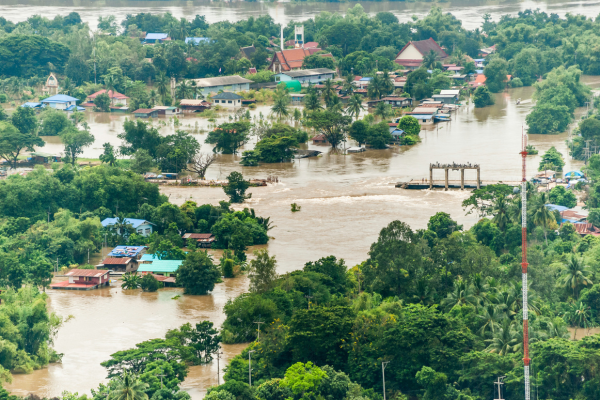
The temporary closure of Mumbai’s Andheri Subway following heavy pre-monsoon rainfall has once again highlighted the city's long-standing struggle with waterlogging at critical transport links. The disruption occurred after intense showers led to a rapid accumulation of water within the underpass, prompting authorities to halt vehicular movement until conditions improved.
The Andheri Subway is among Mumbai’s most closely monitored flood-prone locations during the monsoon season. Owing to its low-lying design and surrounding topography, the corridor has historically been vulnerable to water accumulation during periods of heavy rainfall, often affecting traffic movement between the eastern and western parts of the suburb.
Civic authorities responded by activating pumping systems and implementing traffic diversions while water was cleared from the stretch. Normal movement resumed after water levels receded, but the incident has reignited discussions about the effectiveness of flood-management measures in key urban transport corridors.
Over the past several years, infrastructure agencies have undertaken multiple interventions aimed at reducing flooding risks at the subway, including installation of high-capacity pumps, drainage upgrades and real-time monitoring systems. These measures have improved operational response during rainfall events, yet extreme weather conditions continue to test the resilience of existing infrastructure.
The latest flooding comes at a time when Mumbai is preparing for the peak monsoon season. Authorities have been conducting desilting operations, drainage maintenance and emergency preparedness exercises across the city to minimise disruptions caused by heavy rainfall. However, recurring incidents at traditionally vulnerable locations underscore the complexity of managing stormwater in a densely developed urban environment.
Urban planning experts note that while engineering solutions can significantly reduce flooding risks, factors such as rainfall intensity, tidal conditions and urbanisation patterns often influence the effectiveness of mitigation efforts. Transport corridors located in low-lying zones remain particularly susceptible during short-duration but high-intensity rainfall spells.
For daily commuters, the Andheri Subway remains a crucial east-west connector, and even temporary closures can have a ripple effect on traffic movement across adjoining roads. As Mumbai enters another monsoon season, ensuring uninterrupted mobility at such critical junctions is expected to remain a key focus area for civic authorities.
The incident serves as a reminder that while the city has strengthened its flood-response infrastructure over the years, maintaining reliable transport connectivity during extreme weather events continues to be one of Mumbai’s most pressing urban challenges.
For more similar or related stories, you can check the link below-
BMC explores holding ponds and drain diversions to tackle recurring Andheri Subway flooding.
Advertisement













 Facebook
 Whatsapp
