Advertisement






What really powers the cloud? Behind every Google search, A...
A lot of what defines a home isn’t visible at handover. I...
Private equity has played a significant role in shaping Indi...
Luxury real estate is one of the most talked-about segments ...
Airports play a much bigger role than just enabling travel -...
The long-delayed Kalyan–Badlapur highway expansion project continues to face significant hurdles more than a decade after work began, with key stretches remaining incomplete despite expenditure exceeding INR 100 crore. Land acquisition challenges, pending clearances, legal disputes and unfinished infrastructure have slowed progress on a corridor that serves as a major transport link for the rapidly growing Kalyan-Dombivli-Badlapur region. The delays have contributed to persistent traffic congestion, particularly at bottlenecks and bridge approaches, even as authorities pursue wider plans to improve regional connectivity through new highway infrastructure and road network upgrades.
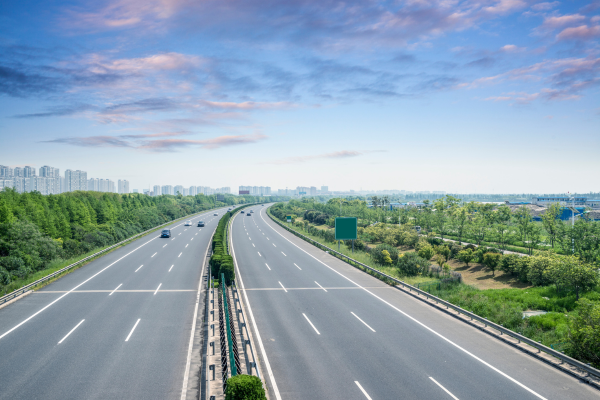
More than twelve years after work began on the expansion of the Kalyan–Badlapur highway, the project remains incomplete, with critical stretches continuing to face delays arising from land acquisition issues, legal disputes and unfinished infrastructure works.
The highway serves as a key transport corridor connecting Kalyan, Ambernath and Badlapur, areas that have witnessed rapid residential and industrial growth over the past decade. Despite investments exceeding INR 100 crore and multiple rounds of construction activity, several bottlenecks continue to affect traffic movement, resulting in daily congestion for commuters travelling between the eastern suburbs and the extended Mumbai Metropolitan Region.
According to reports, portions of the corridor remain constrained by pending land acquisition and court-related matters that have delayed widening works. In some locations, incomplete road sections have created choke points, preventing the corridor from functioning at its intended capacity despite progress on adjoining stretches.
The continuing delays have compounded traffic pressures in Kalyan and surrounding areas, where vehicle volumes have risen significantly in recent years. Commuters regularly encounter slow-moving traffic at major junctions, bridge approaches and unfinished road segments, particularly during peak hours. Civic and transport authorities have periodically introduced traffic diversions and restrictions to facilitate construction activity while maintaining traffic flow.
The highway forms part of a broader effort to strengthen road connectivity across the eastern Mumbai Metropolitan Region. In recent years, the Maharashtra government has also advanced plans for a controlled-access corridor connecting Mumbai, Navi Mumbai, Kalyan, Dombivli and Badlapur. The proposed route is intended to improve regional mobility and reduce pressure on existing road networks that are increasingly struggling to accommodate growing residential and commercial development.
Infrastructure works in the Kalyan region have also included upgrades to bridges, flyovers and connecting roads aimed at easing congestion. However, the incomplete status of the Kalyan–Badlapur highway project continues to limit the overall effectiveness of these interventions, as traffic is funnelled through unfinished sections that remain vulnerable to bottlenecks.
Urban planners and transport observers have long identified the corridor as a critical link for the region’s expanding population. The route supports daily commuter movement, freight transportation and access to emerging residential clusters across Thane district and adjoining growth centres.
While authorities continue to pursue solutions to address pending land and legal issues, the project’s prolonged delays highlight the implementation challenges often faced by large-scale road infrastructure developments. Until the remaining stretches are completed, commuters are expected to continue navigating congestion along one of the region’s most important transport corridors.
Advertisement













 Facebook
 Whatsapp
