Advertisement






What really powers the cloud? Behind every Google search, A...
A lot of what defines a home isn’t visible at handover. I...
Private equity has played a significant role in shaping Indi...
Luxury real estate is one of the most talked-about segments ...
Airports play a much bigger role than just enabling travel -...
Residents’ welfare associations (RWAs) across Delhi have called for comprehensive fire safety standard operating procedures (SOPs) for residential buildings following a series of fatal fire incidents in the capital. The demand comes after recent tragedies in Vivek Vihar, Palam and Hauz Khas highlighted concerns over inadequate fire preparedness, obstructed escape routes, electrical safety lapses and the absence of uniform guidelines for residential properties. Resident groups have urged authorities to introduce clear protocols covering emergency evacuation, building maintenance, fire audits and compliance monitoring. The issue has gained prominence as rising temperatures and increased use of electrical appliances have heightened concerns about fire risks in homes and apartment complexes across the city.
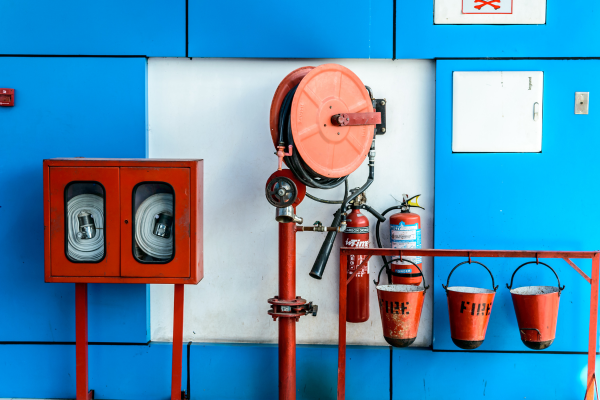
Residents’ welfare associations (RWAs) in Delhi have intensified demands for a comprehensive fire safety framework for residential buildings following a series of deadly fire incidents that have exposed vulnerabilities in the capital’s housing stock and emergency preparedness systems.
The call for action follows multiple fire-related tragedies reported across the city in recent months, including incidents in Vivek Vihar, Palam and Hauz Khas, which resulted in loss of life and renewed scrutiny of building safety standards. Resident groups argue that while fire regulations exist for certain categories of buildings, there is a lack of clear and enforceable standard operating procedures for a large number of residential properties, particularly low-rise developments and builder floors.
Representatives of several RWAs have urged authorities to formulate detailed SOPs covering emergency evacuation procedures, maintenance of escape routes, electrical safety checks, fire preparedness measures and responsibilities of residents and housing associations. According to resident bodies, recent incidents have demonstrated that many residential buildings lack adequate awareness and preparedness to respond effectively during emergencies.
The issue gained further attention after the fatal Vivek Vihar fire, where reports indicated that structural barriers such as iron grills and restricted access points limited evacuation options for residents trapped inside the building. Similar concerns have emerged following investigations into other recent fires, where authorities examined factors including electrical faults, overloaded systems and inadequate safety measures.
Resident associations have also highlighted the absence of specific fire safety provisions within existing housing management frameworks. According to RWA representatives, there is a need for clearly defined guidelines under building bye-laws, disaster management protocols and apartment management regulations to ensure a consistent approach towards residential fire safety.
The demands come amid growing concerns over electrical safety during the summer season. With temperatures exceeding 45°C in parts of Delhi-NCR, air-conditioning systems and electrical appliances are operating for extended periods, increasing pressure on wiring networks and electrical infrastructure. Fire experts and civic groups have warned that ageing systems, poor maintenance practices and excessive electrical loads can elevate fire risks in residential properties.
Authorities have already initiated broader discussions on strengthening fire safety oversight in the city. Earlier this year, the Delhi government ordered citywide fire safety audits and mapping exercises to identify compliance gaps following a major fire incident in Palam. In addition, the Delhi Fire Service is reportedly examining proposals that could expand fire safety certification requirements and strengthen preventive measures across a wider range of buildings.
Resident groups are advocating for regular fire drills, mandatory electrical inspections, functioning smoke detection systems, unobstructed evacuation routes and greater public awareness campaigns. They contend that preventive measures and standardised safety protocols are becoming increasingly important as Delhi’s residential landscape grows denser and reliance on electrical equipment continues to rise.
Source - PTI
Advertisement













 Facebook
 Whatsapp
