Advertisement






What really powers the cloud? Behind every Google search, A...
A lot of what defines a home isn’t visible at handover. I...
Private equity has played a significant role in shaping Indi...
Luxury real estate is one of the most talked-about segments ...
Airports play a much bigger role than just enabling travel -...
The National Highways Authority of India (NHAI) has launched Rajasthan's first Multi-Lane Free Flow (MLFF) tolling system at the Daulatpura Toll Plaza on the Delhi–Jaipur section of National Highway-48. The technology-driven system enables barrier-free toll collection through Automatic Number Plate Recognition (ANPR) and FASTag-based electronic tolling, allowing vehicles to pass without stopping. The initiative forms part of NHAI's broader effort to modernise toll collection, reduce congestion and improve travel efficiency on key highway corridors. Following the implementation at Daulatpura, NHAI is also planning to convert the Shahjahanpur and Manoharpur toll plazas on the Delhi–Jaipur route to the MLFF system, creating a seamless tolling experience along one of northern India's busiest highway stretches.
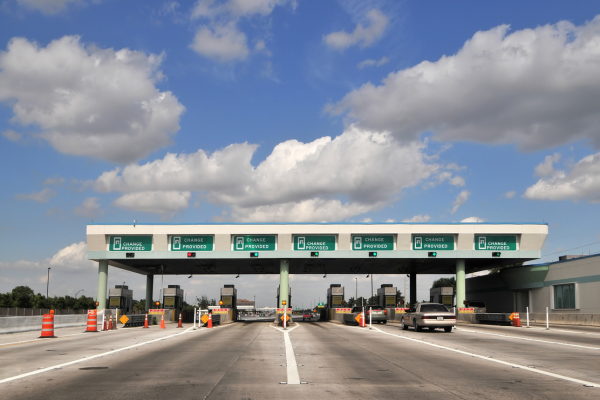
The National Highways Authority of India (NHAI) has launched Rajasthan's first Multi-Lane Free Flow (MLFF) tolling system at the Daulatpura Toll Plaza on the Delhi–Jaipur section of National Highway-48, marking a significant step in the adoption of barrier-free toll collection technology across the country's highway network.
The system was introduced on June 19 and enables vehicles to pass through the tolling point without stopping at conventional toll booths. The MLFF framework eliminates physical barriers and minimises manual intervention by automating toll collection through a combination of Automatic Number Plate Recognition (ANPR) technology and FASTag-based electronic tolling.
According to the Ministry of Road Transport and Highways, the barrier-less system is designed to facilitate uninterrupted vehicle movement, reduce waiting times and improve traffic flow on one of the busiest highway corridors connecting Delhi and Jaipur. The technology allows toll charges to be processed automatically as vehicles travel through designated lanes, removing the need for motorists to slow down or halt at toll plazas.
The implementation at Daulatpura is part of NHAI's wider strategy to modernise India's electronic toll collection infrastructure and improve operational efficiency across the national highway network. The authority said the MLFF framework is expected to enhance transparency in toll collection while reducing the operational costs associated with maintaining conventional toll plazas.
Officials indicated that NHAI is planning to extend the technology to the Shahjahanpur and Manoharpur toll plazas on the Delhi–Jaipur route. Once implemented, the corridor will have multiple barrier-free tolling locations, helping create a more seamless travel experience for commuters and commercial vehicles using the highway.
The Daulatpura rollout follows NHAI's earlier introduction of India's first MLFF tolling system at the Chorayasi Toll Plaza on the Surat–Bharuch section of NH-48 in Gujarat. The Gujarat pilot was launched as part of a national initiative to transition from traditional toll plazas to technology-enabled toll collection systems.
Industry experts view MLFF as a key component of India's evolving transport infrastructure ecosystem. By eliminating stoppages at toll plazas, the system is expected to reduce fuel consumption, lower vehicular emissions and improve overall highway efficiency. The use of ANPR cameras and FASTag technology also supports contactless and automated toll collection, aligning with the government's broader push towards digital infrastructure and smart mobility solutions.
With Rajasthan now joining the network of states adopting barrier-free tolling, NHAI's latest initiative represents another step towards creating a technology-driven and more efficient national highway system.
Source - PTI
Advertisement













 Facebook
 Whatsapp
