Advertisement






What really powers the cloud? Behind every Google search, A...
A lot of what defines a home isn’t visible at handover. I...
Private equity has played a significant role in shaping Indi...
Luxury real estate is one of the most talked-about segments ...
Airports play a much bigger role than just enabling travel -...
The Brihanmumbai Municipal Corporation (BMC) has approved INR 1,000 crore financial assistance for the Brihanmumbai Electric Supply and Transport Undertaking (BEST), providing crucial support to the cash-strapped public transport operator in Mumbai. The decision follows months of deliberation within the civic administration, during which the grant was initially debated, partially deferred, and later reconsidered due to operational and safety concerns linked to BEST’s financial position. While BEST had sought a significantly higher support package of around INR 4,000 crore to stabilise operations and meet rising liabilities, the civic body has opted for a reduced allocation tied to governance and structural reform expectations.
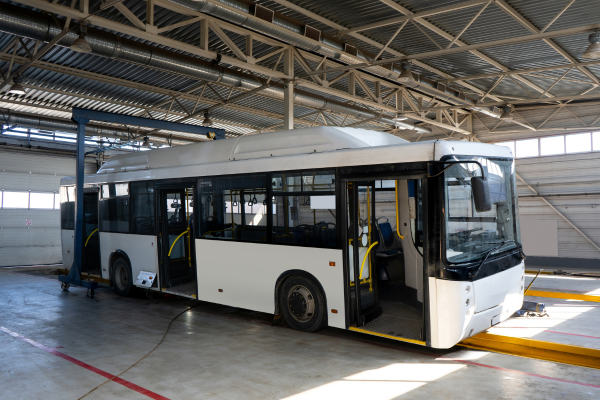
The Brihanmumbai Municipal Corporation (BMC) has cleared financial assistance of INR 1,000 crore for the Brihanmumbai Electric Supply and Transport Undertaking (BEST), marking a key fiscal intervention aimed at stabilising Mumbai’s public bus transport operator, which has been facing mounting financial stress.
The decision comes after a series of internal evaluations and budgetary discussions within the civic administration over the extent and timing of support to BEST. While the proposal had initially been included in the civic budget for the financial year, it was subject to further scrutiny amid concerns regarding the undertaking’s operational sustainability and safety-related expenditures.
BEST, which operates Mumbai’s bus network and electricity distribution services in parts of the city, has been grappling with persistent revenue deficits driven by rising fuel costs, increasing operational expenses, and constraints in fare revisions. The undertaking had sought a substantially higher financial package of around INR 4,000 crore to address its cumulative liabilities, improve fleet operations, and support infrastructure modernisation.
However, the civic body has approved a significantly lower infusion of INR 1,000 crore, positioning it as immediate relief support rather than a full-scale bailout. Officials indicated that the decision was influenced by the need to balance fiscal discipline with essential service continuity, particularly as BEST continues to play a critical role in Mumbai’s daily commuter network.
In earlier deliberations, the proposed grant had faced delays, with the civic administration raising concerns regarding financial accountability frameworks, asset utilisation, and operational safety parameters within BEST. These concerns contributed to a temporary withholding of the aid package before its eventual approval.
The latest decision also aligns with the BMC’s broader approach of linking financial support for public utilities with governance reforms. Authorities have indicated that the disbursal of funds will be monitored alongside performance improvements, cost rationalisation measures, and restructuring initiatives within BEST.
The financial stress at BEST has been widely reported over recent years, with the undertaking dependent on periodic support from the civic body to sustain operations. The organisation’s ageing bus fleet, rising maintenance costs, and pressure from fuel price volatility have collectively impacted its financial viability.
Despite these challenges, BEST continues to remain a key component of Mumbai’s urban mobility framework, carrying a significant share of daily public transport commuters across the city. The infusion of funds is expected to provide short-term liquidity support for operational continuity, including salary payments, fuel procurement, and essential service maintenance.
With the approval now in place, attention is expected to shift towards the implementation of structural reforms within BEST, particularly in areas such as fleet modernisation, revenue enhancement strategies, and optimisation of operational costs to ensure long-term financial sustainability.
Advertisement













 Facebook
 Whatsapp
