Advertisement






What really powers the cloud? Behind every Google search, A...
A lot of what defines a home isn’t visible at handover. I...
Private equity has played a significant role in shaping Indi...
Luxury real estate is one of the most talked-about segments ...
Airports play a much bigger role than just enabling travel -...
• A consumer court has directed Indian Railways to pay INR 10,000 in compensation after a passenger was refunded INR 5 less than the amount due on a cancelled ticket.
• The dispute escalated when the passenger repeatedly sought clarification and reimbursement but did not receive a satisfactory resolution.
• The court held that the failure to address the grievance properly amounted to a deficiency in service.
• The ruling highlights the importance of transparency, accountability and timely grievance redressal in public service delivery, regardless of the monetary value involved.
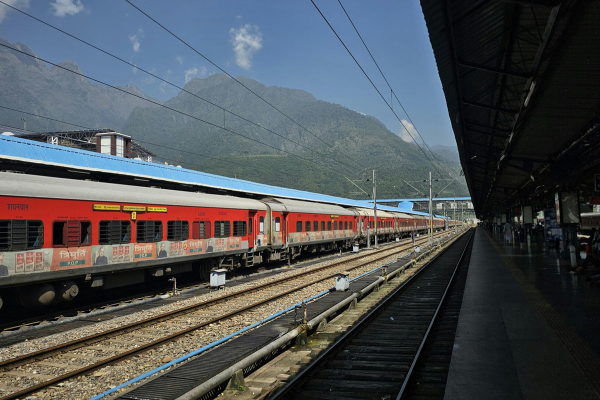
A dispute involving a refund shortfall of just INR 5 on a cancelled railway ticket has resulted in Indian Railways being ordered to pay INR 10,000 as compensation, underlining how seemingly minor consumer grievances can escalate when not addressed adequately.
The case centred on a passenger who had cancelled a railway ticket and later noticed a discrepancy between the expected refund amount and the amount actually credited. The difference was only INR 5, but the passenger pursued the matter seeking an explanation and reimbursement. According to reports, repeated attempts to obtain a satisfactory response failed to resolve the issue, prompting the consumer to approach the consumer dispute redressal mechanism.
During the proceedings, the consumer argued that the issue was not merely about the monetary value involved but about the principle of fair treatment and transparency. The complaint highlighted the lack of clarity regarding the refund calculation and the failure of the concerned authorities to effectively address the grievance despite multiple representations.
After examining the matter, the consumer court concluded that the complainant had not received adequate service and that the grievance had not been handled appropriately. The forum observed that public service providers are expected to maintain transparency in their transactions and provide clear explanations when consumers raise concerns about financial discrepancies, irrespective of the amount involved.
The court subsequently directed Indian Railways to compensate the passenger. The compensation awarded was significantly higher than the disputed amount, reflecting the forum's view that the matter involved service deficiency and inconvenience caused to the consumer rather than the value of the original claim alone.
Consumer rights experts note that such cases demonstrate the importance of responsive grievance redressal systems. Small disputes often escalate when complaints remain unresolved or when consumers feel that their concerns are being ignored. Courts and consumer forums have repeatedly emphasised that service providers must address complaints promptly and transparently to maintain public trust.
The ruling also serves as a reminder that consumer protection laws are designed to safeguard rights irrespective of the financial value of a dispute. Consumer forums generally evaluate not only the monetary loss involved but also the conduct of the service provider, the inconvenience caused and whether reasonable efforts were made to resolve the issue before litigation.
For large public institutions such as Indian Railways, which process millions of passenger transactions annually, efficient complaint resolution mechanisms are essential. Even isolated disputes can attract wider attention when they raise questions about accountability and customer service standards.
The case has attracted significant public interest because of the contrast between the original INR 5 discrepancy and the final compensation awarded. However, legal observers point out that the decision ultimately reinforces a broader principle: consumers are entitled to accurate information, fair treatment and timely resolution of grievances, regardless of the amount in dispute.
Advertisement













 Facebook
 Whatsapp
