Advertisement






What really powers the cloud? Behind every Google search, A...
A lot of what defines a home isn’t visible at handover. I...
Private equity has played a significant role in shaping Indi...
Luxury real estate is one of the most talked-about segments ...
Airports play a much bigger role than just enabling travel -...
Mumbai has imposed fresh water conservation measures after reservoir storage levels dropped to 10.35% of total capacity following the city's driest June in more than a decade. The Brihanmumbai Municipal Corporation (BMC) has temporarily disconnected water supply to construction sites and suspended new water connections for such projects from June 17. Water supply to industrial and commercial establishments, as well as sports clubs, has also been reduced by 20%, adding to an earlier 10% cut implemented in May. The restrictions come as Maharashtra recorded rainfall approximately 75% below normal during the first half of June. With the city's seven reservoirs holding enough water for only around 40 days, concerns have emerged over long-term water security and the impact of delayed monsoon rains on urban infrastructure and development activity.
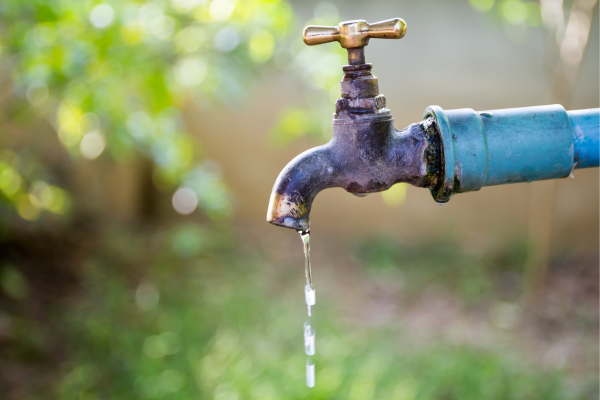
Mumbai has imposed additional water rationing measures, including a temporary suspension of water supply to construction sites, after reservoir levels declined sharply amid a significant rainfall deficit across Maharashtra and a delayed onset of the southwest monsoon.
The Brihanmumbai Municipal Corporation (BMC) announced that, from Wednesday, water connections to all construction sites would be temporarily disconnected and approvals for new construction-related water connections would remain on hold. The decision follows a review of water availability in the seven lakes that supply drinking water to the city.
According to civic authorities, reservoir storage has fallen to 10.35% of total capacity, leaving Mumbai, with a population of around 13 million, with water reserves sufficient for approximately 40 days.
The latest restrictions also include a 20% reduction in water supply to industrial and commercial establishments as well as sports clubs. These measures come in addition to a 10% water cut introduced by the civic administration in mid-May as reservoir levels continued to decline.
The water conservation measures have been necessitated by an unusually dry start to the monsoon season. Weather officials stated that Maharashtra received approximately 75% less rainfall than normal during the first 16 days of June. While Mumbai typically experiences pre-monsoon showers followed by regular monsoon rainfall by the middle of June, weather conditions this year have remained considerably drier than average.
Officials indicated that the monsoon, which normally reaches Mumbai during the first week of June, is now expected to arrive closer to the end of the month. The delayed rainfall has slowed replenishment of the city's water reservoirs, prompting authorities to tighten water usage across non-essential sectors.
The decision has implications for Mumbai's real estate and construction sector, although industry representatives believe the immediate impact may be limited. Sukhraj Nahar, President of CREDAI-MCHI, noted that most construction projects in the city rely primarily on commercial water tankers rather than municipal water supply. He indicated that developers expected to manage operations over the coming days while awaiting the arrival of monsoon rains.
However, concerns have been raised regarding the long-term management of water resources in the Mumbai Metropolitan Region. Niranjan Hiranandani, Managing Director of the Hiranandani Group, questioned the broader planning approach towards urban water security, noting that recurring shortages continue to affect the city despite its scale and economic significance.
The restrictions come against the backdrop of concerns over India's weakest monsoon performance in more than a decade. Lower rainfall levels have raised fears of pressure on agricultural output, food prices and water availability across several regions of the country.
For Mumbai, the immediate focus remains on conserving available reservoir storage until monsoon rainfall begins replenishing the city's water supply system. Civic authorities are expected to continue monitoring reservoir levels and weather conditions before deciding on any further restrictions or relaxation of existing measures.
Source - Reuters
Advertisement













 Facebook
 Whatsapp
