Advertisement






What really powers the cloud? Behind every Google search, A...
A lot of what defines a home isn’t visible at handover. I...
Private equity has played a significant role in shaping Indi...
Luxury real estate is one of the most talked-about segments ...
Airports play a much bigger role than just enabling travel -...
• A slab collapse at Mumbai’s Shivajinagar BEST bus depot triggered renewed concerns over the structural condition of ageing transport infrastructure across the city.
• Around 25 depot employees narrowly escaped injury after noticing warning signs and evacuating the affected area shortly before the collapse.
• Preliminary accounts suggest visible cracks and signs of structural distress had appeared before the incident, prompting questions about maintenance and inspection practices.
• The collapse has intensified calls for comprehensive structural audits and accelerated repair programmes across older BEST facilities.
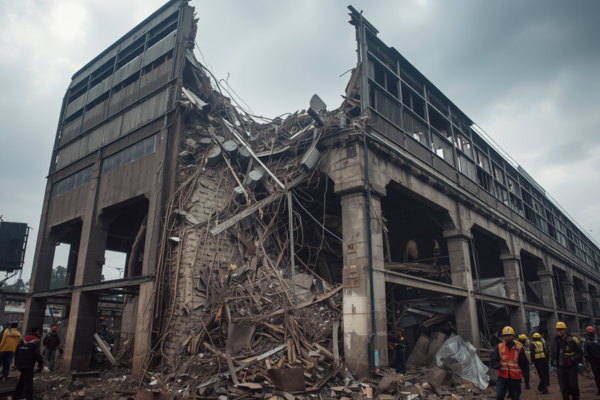
A structural collapse at the Shivajinagar BEST bus depot in Mumbai has drawn attention to the condition of ageing public transport infrastructure after a section of a building slab gave way, narrowly avoiding what could have been a major tragedy.
The incident occurred at the depot premises where approximately 25 employees were present and carrying out routine duties. According to accounts from depot staff and officials, several workers noticed signs of structural distress shortly before the collapse. Visible cracks, unusual sounds and other indications of weakening structural elements reportedly prompted employees to move away from the affected area, a decision that likely prevented serious injuries.
Moments later, a portion of the slab collapsed, sending debris crashing into the area below. While the incident caused significant damage to the structure, no fatalities or major injuries were reported. Authorities described the outcome as a fortunate escape given the number of personnel who were present at the depot when the collapse occurred.
The episode has reignited concerns regarding the condition of older BEST buildings and support infrastructure spread across Mumbai. Many of these facilities were constructed decades ago and continue to operate under heavy daily use, supporting critical transport services for thousands of commuters. Questions are now being raised about whether existing maintenance mechanisms are sufficient to identify and address structural weaknesses before they develop into safety hazards.
Following the collapse, civic and transport authorities initiated inspections of the affected structure to determine the immediate cause of the failure. Engineers are expected to assess whether prolonged wear and tear, water seepage, ageing construction materials or other factors contributed to the incident. Detailed structural evaluations are also likely to examine whether warning signs had emerged earlier and whether preventive action could have been taken sooner.
Employees at the depot have reportedly expressed concerns about the condition of certain portions of the facility, particularly during the monsoon season when moisture-related deterioration can accelerate structural damage. The incident has highlighted the challenges faced by public agencies responsible for maintaining large inventories of ageing buildings while ensuring uninterrupted transport operations.
Urban infrastructure experts note that regular structural audits are particularly important for facilities that accommodate large numbers of workers and members of the public. Bus depots, administrative buildings and maintenance workshops often experience continuous operational stress, making periodic inspections essential for safety management.
While the immediate focus remains on determining the cause of the Shivajinagar incident, the event has also sparked a broader conversation about infrastructure upkeep, risk assessment and long-term investment in public transport assets. For many observers, the narrow escape serves as a reminder that proactive maintenance and timely intervention remain critical to ensuring the safety of employees and the continuity of essential public services.
Advertisement













 Facebook
 Whatsapp
