Advertisement






What really powers the cloud? Behind every Google search, A...
A lot of what defines a home isn’t visible at handover. I...
Private equity has played a significant role in shaping Indi...
Luxury real estate is one of the most talked-about segments ...
Airports play a much bigger role than just enabling travel -...
Sentiment among U.S. homebuilders declined in June as rising mortgage rates, higher construction material costs and ongoing affordability concerns continued to pressure the housing sector. The National Association of Home Builders (NAHB)/Wells Fargo Housing Market Index fell below expectations, extending a prolonged period of weak builder confidence. Elevated borrowing costs and costlier materials have reduced demand, prompting more builders to offer price cuts and sales incentives to attract buyers. The latest survey highlights the continued challenges facing the U.S. housing market despite a significant housing supply shortage across the country.
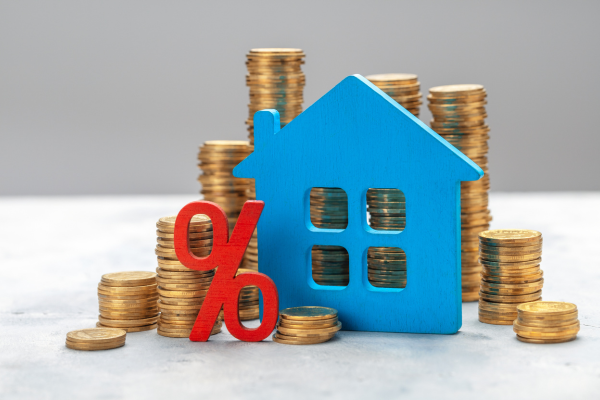
Confidence among U.S. homebuilders weakened in June as higher mortgage rates and increasing construction costs continued to affect housing demand, according to the latest National Association of Home Builders (NAHB)/Wells Fargo Housing Market Index.
The index fell by two points to 35 during the month, below economists' expectations of 37. The reading also marked the 14th consecutive month that builder sentiment remained below 40, representing the longest stretch of subdued confidence since the foreclosure crisis period of 2011-2012.
NAHB stated that rising material costs, elevated mortgage rates and persistent affordability challenges continued to put pressure on the housing market. The industry body noted that builders are operating in a market where both construction costs and financing costs remain high, limiting buyer activity.
NAHB Chairman Bill Owens said the United States remains short of approximately 1.2 million homes and added that builder confidence is likely to remain under pressure until obstacles to home construction are reduced and market conditions improve. He also urged lawmakers to advance a major housing package currently under consideration in the Senate.
Mortgage rates have increased significantly in recent months following geopolitical tensions involving the United States, Israel and Iran, which pushed oil prices higher and added inflationary pressure. According to data from mortgage finance agency Freddie Mac, the average rate on a 30-year fixed mortgage has risen by more than 50 basis points since the conflict began earlier this year. Developments over the weekend indicated that Washington and Tehran had agreed on terms to end the conflict and reopen the Strait of Hormuz.
Even before the conflict, the U.S. housing sector was facing challenges linked to import tariffs that increased the cost of construction materials and household appliances. These pressures have weighed on residential investment, which includes homebuilding activity and has now contracted for five consecutive quarters.
Slower buyer demand has also forced builders to rely more heavily on incentives to support sales. The share of builders reporting price reductions increased to 35% in June from 32% in May. However, the average price cut remained unchanged at 6%.
Sales incentives continued to be widely used across the sector. The proportion of builders offering incentives rose to 62% from 61% in the previous month, marking the 15th consecutive month in which at least 60% of builders reported using such measures to attract buyers.
The survey's measure of current sales conditions declined by two points to 38. Meanwhile, the index tracking expected sales over the next six months remained unchanged at 45, indicating cautious optimism despite ongoing market pressures. The gauge measuring prospective buyer traffic also remained unchanged at 25, reflecting continued weakness in demand from potential homebuyers.
Source Reuters
Advertisement













 Facebook
 Whatsapp
